Playbook duScale
65 lessons distilled from a 12-hour live stream with Oussama Ammar.
FOREWORD
On March 10, 2026, Oussama Ammar sat in front of his camera in Dubai and launched a 12-hour live stream. No script, no prepared slides, no teleprompter. Just him, his screen, and twenty or so entrepreneurs selected by an AI from more than a hundred applicants.
The format is brutal: each entrepreneur steps onto the virtual stage for 20 minutes. They lay out their situation. Oussama diagnoses, cuts through, advises — in public, in front of 7,000 connected viewers. Between sessions, he delivers spontaneous masterclasses on AI, pricing, acquisition, and entrepreneurial psychology.
This document is the exhaustive synthesis of those 12 hours. Not a list of "tips", but a complete system of thought — that of a man who has coached hundreds of startups that collectively raised more than 1.5 billion euros, who lost everything, rebuilt everything, and who today builds his companies alone with AI.
Every lesson is illustrated by real cases from the live: Olivier, the distributor of low-vision magnifiers stuck in a declining market. Robin, the cabinet-maker who wants to scale without hiring. Ahed, the IT consultant who doesn't dare sell a product that doesn't exist. Adam, the 16-year-old Moroccan making €380,000 in 8 months. And many more.
The result is a reference document. Something you keep, re-read, and that captures the spirit of an era where artificial intelligence has changed everything — except the need for courage, taste, and intensity.
CHAPTER 1
MINDSET & POSTURE
Before talking about strategy, tools, or frameworks, Oussama lays the psychological foundations. His central message: entrepreneurship isn't a job, it's a posture toward the world. And that posture is cultivated.
PICK YOUR LEAGUE, NOT YOUR INCOME
The fundamental question isn't "how much do I make?" but "what game am I playing?". The world rests on a simple social contract: 1% who create, 9% who comment, and 90% who endure. Each league has its upsides and downsides.
Money isn't the benchmark. A VP at Goldman Sachs can earn more than an entrepreneur — but he hasn't taken any fundamental risks. What matters is the alignment between the game you choose and how you play it.

YOUR COMPANY IS NOT A BABY
Your company isn't your family, they're employees. All the mythologies you tell yourself — "my team is my family", "my company is my baby" — stop you from making the hard decisions when you need to. A company is a social organization whose purpose is to maximize profit. Period.
Olivier's case perfectly illustrates this trap. A distributor of products for the visually impaired for 14 years, 1.9 million in declining revenue, he refuses to sell his company because he's "too attached to his team". Oussama confronts him: "You're telling me you're in survival mode, and at the same time you're refusing to set yourself free. Isn't that a bit contradictory?"

SET YOUR MAXIMUM PAIN THRESHOLD
If your business survives without ever taking off, every extra year grows your regret logarithmically. Oussama had already given Olivier the same diagnosis three years earlier. The fact that nothing has changed since is proof that three years of life haven't been lived to their full potential.

INTELLIGENCE IS BECOMING A COMMODITY
What's going to make the difference in the world to come is two things: will and execution on one side, taste on the other. Knowing what's right or not. Knowing what's good or not. You can be more or less intelligent, but intelligence won't make the difference anymore. AI has commoditized it. It's an absolute paradigm shift.

COURAGE IS THE MOTHER OF ALL QUALITIES
It's the only quality you can't fake. It's easy to be anything as long as you don't need to be courageous. The best way to develop your taste is to have the courage to exercise it in front of others, in public, with the risk of ridicule and falling flat.

IT'S NOT INFORMATION THAT CREATES ACTION
It's action that creates information. You don't learn things to do things — you learn things because you do things. Stop asking questions whose answer is a test. Oussama calls this the "Catechism according to Ouss": the phrase to repeat every morning when you wake up.

NEVER BE ASHAMED OF SELLING
Oussama directly confronts an entrepreneur downplaying his product on stage: "You should all go get burned for being ashamed of selling." Shame about selling is a fatal handicap in entrepreneurship.

AMBITIOUS AND LAZY: THE TOXIC COMBO
The ability to make money doesn't need to wait for the big final project. Oussama was selling Mister Freeze in elementary school, trading Magic cards in middle school. People who are at zero don't lack motivation — they lack skills and reps.

EXCUSES ARE A POISON
During the live, Ahed, an IT consultant, explains that he has "no commercial skills" and that big corporates "will never do a deal with a company with 1,000 € in capital". Dry reply: "They don't give a shit about your capital. What they care about is whether you solve an exciting problem or not."

SEPARATE HEART CHOICES FROM HEAD CHOICES
Oussama's decision matrix in four boxes: Irreversible head decision → think hard. Irreversible heart decision → avoid as much as possible. Reversible head decision → don't think at all. Reversible heart decision → think about it. Most entrepreneurs invest brain time in questions that aren't worth it.

BEING UNDER 18 IS A SUPERPOWER
Being an entrepreneur before 18 is an exceptional card that opens every door: the big names in business will reply to emails, media will pay attention, investors will take meetings. This advantage is temporary and declines fast at 18, 21, then 25. You have to exploit it without waiting, reach out to top entrepreneurs directly, and use personal branding to create leverage before the window closes.
THE MAMMOTH EFFECT
The mammoth hunter was at the top of the social hierarchy — his job has no value today. Nobody would have predicted we'd pay someone $50,000 a day to act like a fool on Snapchat. Every era creates new, unpredictable forms of value. Rather than waste time predicting the future, stay on top of the wave in the present.
THERE IS NO MERIT NO JUSTICE
There is no merit in entrepreneurial success: there is only randomness and luck, which can take more or less laborious forms. The universe doesn't care about merit. This view frees the entrepreneur from personal justice narratives that paralyze action and generate guilt. What matters isn't deserving success but creating the conditions where luck can operate.
CHAPTER 2
PRICING, SALES & ACQUISITION
If the live has one obsessive theme, it's this one. Oussama repeats it tirelessly, case after case, founder after founder: the number-one problem in the French-speaking world is a lack of intensity in acquisition.
PRICE AND PRODUCT ARE DECOUPLED
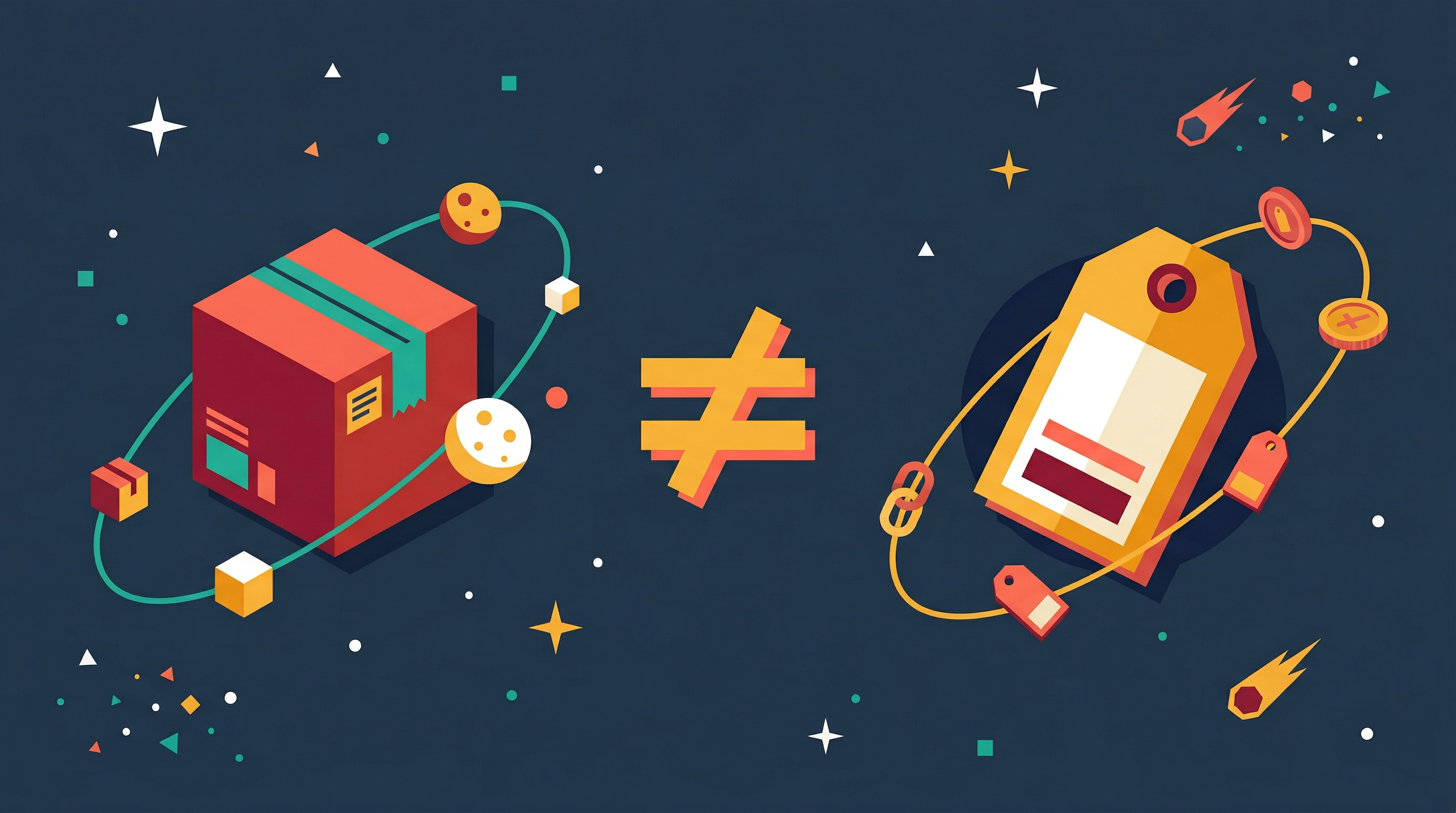
People don't pay because a product is good. Price is perception. Perception is storytelling. Storytelling runs in marketing. It's the intensity of the marketing that justifies the price — and the price that funds the budget to build a good product. The good product, you build it for yourself, not for the market. You have an engineer's ethics, an engineer's habitus? Good for you. But understand it's a personal matter. The market buys a price, not a product.
PRICING IS NOT A MORAL QUESTION
Pricing is neither aesthetic nor ethical, it's only the meeting of supply and demand. Method: start from competitor + 30%, watch the conversion rate, adjust. You can only find your pricing through repetition. There's no good price, there's no bad price — there are only prices you've tested or you haven't.

DOUBLE YOUR PRICES
At The Family, Oussama would walk into a room and tell a random entrepreneur: "Double your prices." 99% of the time, the founder doubled under pressure and lost zero clients. Only once did it create a disaster. The ratio speaks for itself. Bruno, founder of a rental-management SaaS at 5 € per month, is told he should be at 1,000 € per year paid upfront.

LOW PRICE DOESN'T MEAN FAST ACQUISITION
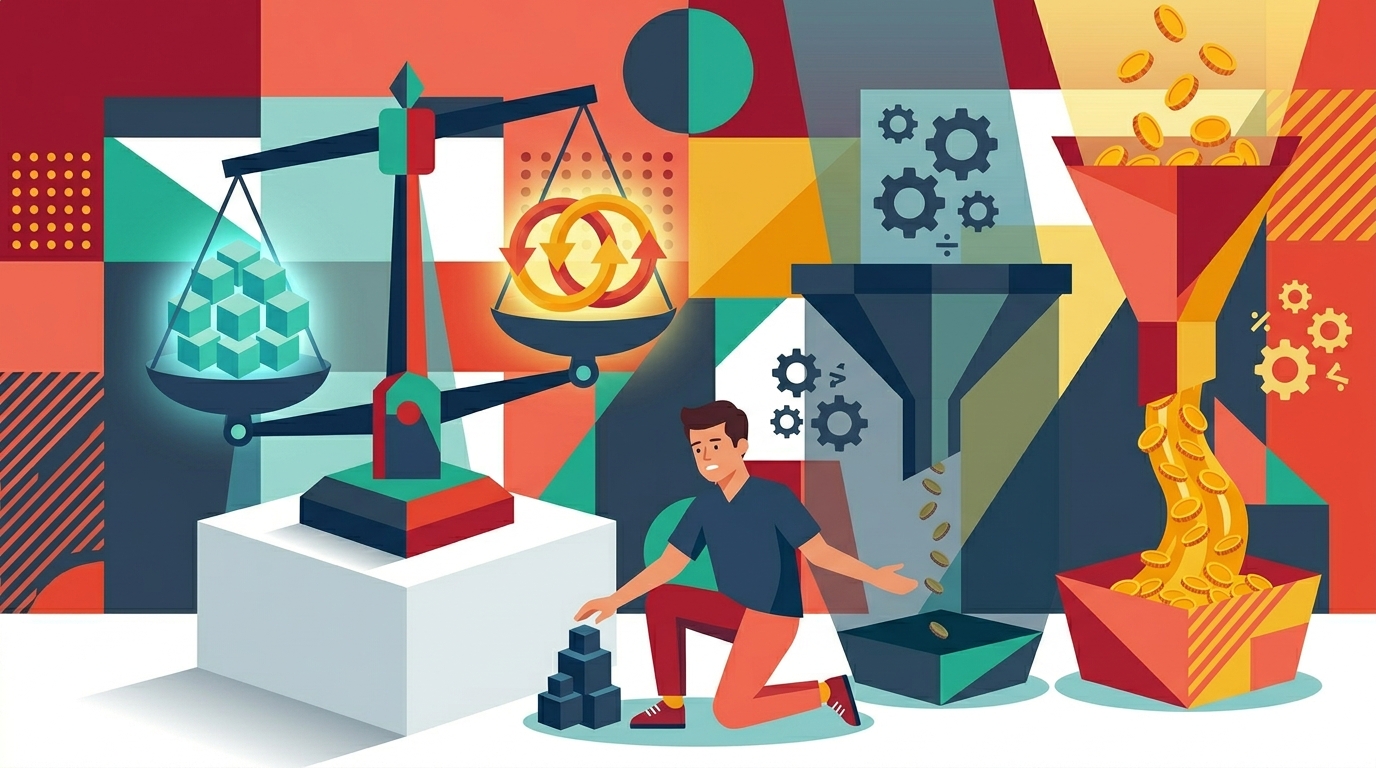
If you sold at 1,000 € per year instead of 5 € per month, you'd have 990 € of acquisition budget to go grab the next client. That's the acquisition loop. A high price funds the ads that fund the growth that fund the quality. A low price creates a vicious circle where you never have enough budget to grow.
VIOLENCE IN ACQUISITION
The difference between a SaaS that works and a SaaS that doesn't is the level of intensity. People are timid, afraid of offending, spamming, speaking too loud. Oussama quotes Lemonade (Limova): they sold a product that didn't exist yet as if it were NASA-grade, and every day they catch up to the level. Who wins? The one with a perfect product nobody knows about, or the one improving every day catching up to their users?

A DAILY ACQUISITION ROUTINE
Every morning, a checklist. 10 minutes LinkedIn, 10 minutes newsletter, 10 minutes Twitter, 10 minutes cold email. What works organically, boost it with paid ads. Never separate organic and paid. Acquisition has to become a routine as mechanical as brushing your teeth. When a piece of content performs organically, push it a bit with ads. That's where the magic happens.

THE ACQUISITION MATRIX
The 4 quadrants of acquisition: Free direct (organic content), Free indirect (word of mouth), Paid direct (Meta, Google ads), Paid indirect (sponsoring, events). Test everything to find the channel on which you put 80% of your effort — 20% on the rest. But first, test everything.

SAAS B2B: US, US, US
It's easier to sell to an American who doesn't know you than to your best friend from high school in France. Oussama repeats this eight times in a row during the live. If your deals are stuck "pending" after 25 meetings in France, your problem isn't your product — it's your market. He tells a WhatsApp SaaS founder: "Shut down your French site, redo everything in English, use DemandInk for lead gen in the US."

WHEN YOU'RE IN THE SHIT, SAY IT
Call your best American client. Tell him you're struggling, that your company might not survive, and that you'd appreciate some intros. Reaction in France: the guy hangs up. Reaction in the US: magic happens. Transparency and vulnerability create trust and unlock networks.

SELL BEFORE YOU BUILD ALWAYS
Why build something you haven't already sold? Oussama tells Ahed, IT consultant: "Go to GenSpark.ai, produce slides that pretend the product exists, and go find 4 clients ready to pay 100,000 € for something that doesn't exist yet." Paradoxically, selling a non-existent product to a big corporate is easier than selling an existing one — because it goes through the innovation department, not procurement.

THE PRIVATE NEWSLETTER TECHNIQUE
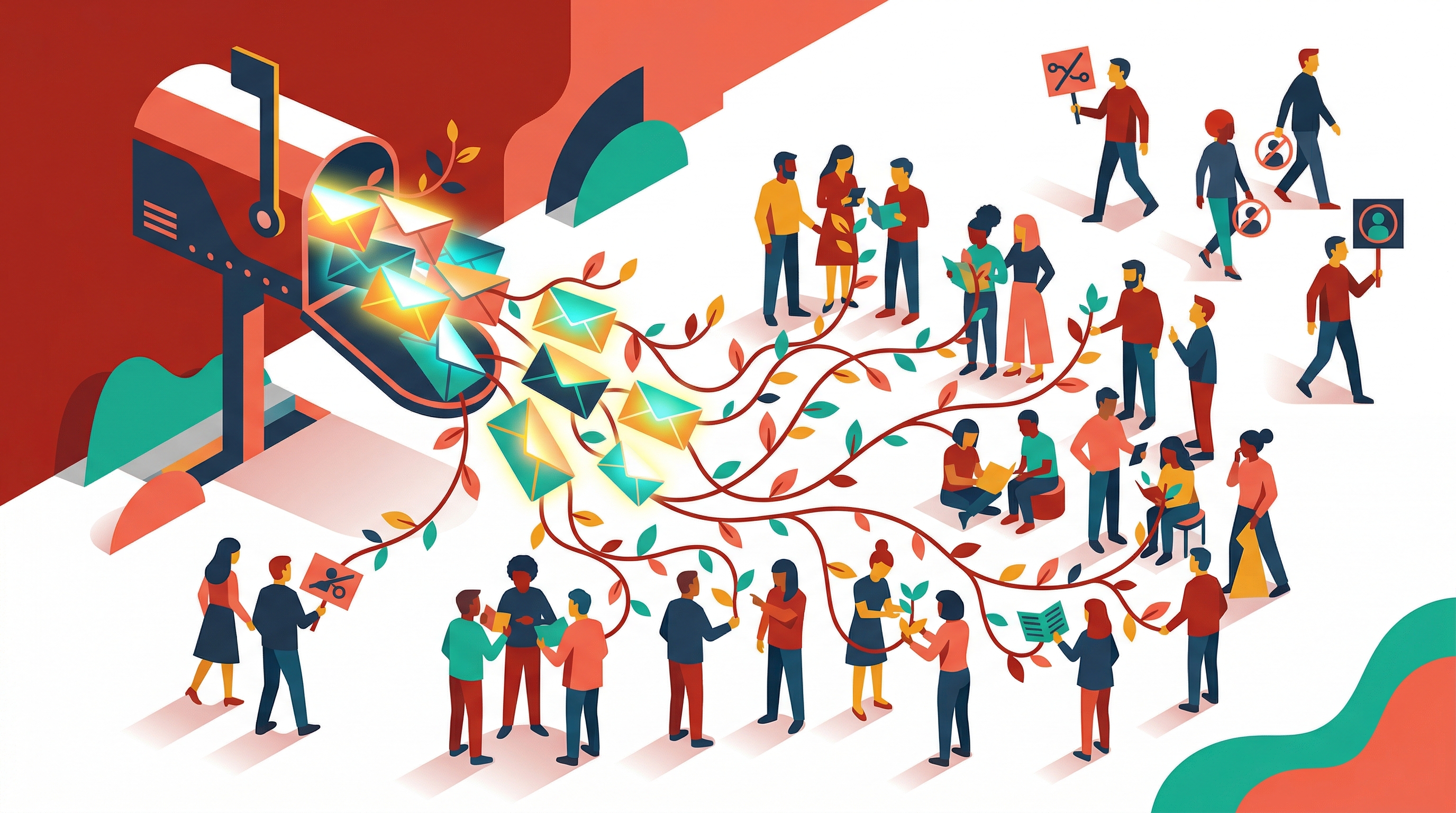
Subscribe people with tact: "I took the liberty of signing you up. If I was wrong, click here to unsubscribe." Even if 15% unsubscribe, 85% stay. Don't do 8 emails: do 40. Some people convert on the 70th email. Improve the sequence, see which emails are most read, when people convert.
JEFFERSON DINNERS
For high-ticket businesses: host a monthly dinner, 20 people max, in the 3 key cities of your market. Find a friendly sales rep in each city who organizes and invites. Budget: roughly 5,000 € per dinner. Re-invite the same people. If out of 60 people reached per month, 3-4 order, it's done. Infinitely more effective than 20,000 cold emails that don't convert.

TURN YOUR CLIENTS INTO AMBASSADORS
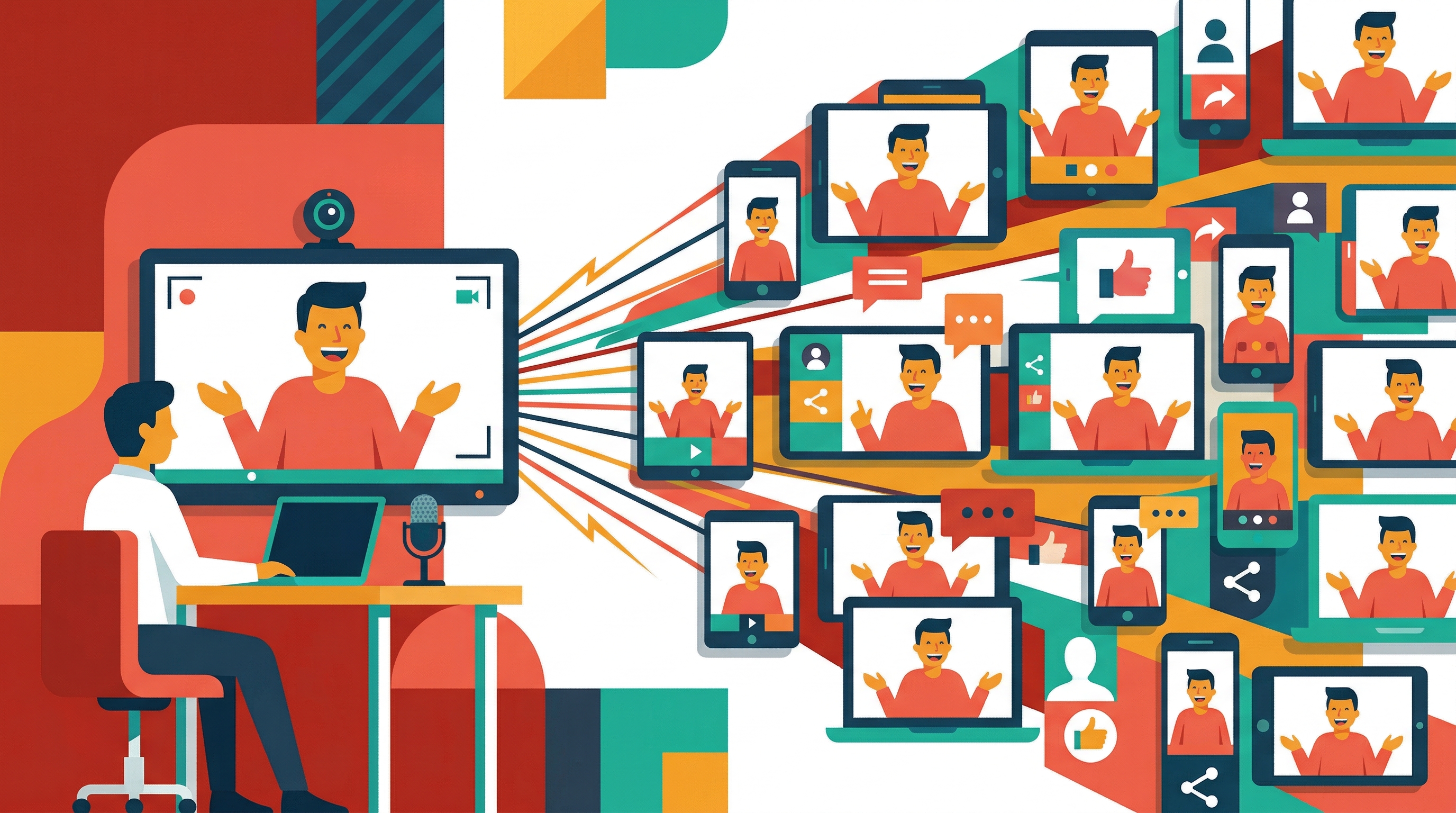
Call 50 of your clients on a video call. Record with Firefly or equivalent. Ask questions. When they say a powerful phrase, cut the clip and ask: "You said that during our call. Can I use it as a testimonial?" 90% say yes. You turn 300 users into 100 testimonials, i.e. three videos a day on social. Social-proof carpet bombing.
THE IDEAL DEAL FINDER
Inside big agencies, there are people between 45 and 55 who are bored. Cold email with this script: "Hey, someone told me about you, I'd love to chat about a topic" followed by a specific problem that makes them think. They take the call, reply, then you ask for intros. Little by little, you turn them into permanent deal finders. They know everyone and have leverage.

THE NDA STRATEGY FOR YOUR PRICES
When you sell to different networks or volumes at very different prices, the trick to avoid comparisons: publicly display a high price, grant confidential discounts to big networks, and get every member to sign an NDA on the negotiated price. This is exactly how Oracle sells its databases at -90% to some clients without others finding out.

CHAPTER 3
THE A.S.I. SYSTEM
Oussama's central framework, created at The Family to help hundreds of startups scale, updated for the AI era. The A.S.I. system: Automate every repeatable task, Standardize the experience through code, Involve your customers so they work for you.
SCALING ≠ GROWING
Scaling is doing more with less. It's not "doing bigger", it's not just growing. It's increasing returns to scale. Every successful company delivers decreasing quality — that's the tragedy of scale. The goal is to slow that decline through automation.

B2B OR B2C — PICK, PERIOD
There's no such thing as a business that's both B2B and B2C. A business is structured around focus. Olivier does 60% B2C and 40% B2B: Oussama tells him it should be 90 / 10 in favor of B2B, where margins are structurally stronger and customer acquisition more profitable. The end consumer should be an accident.

DON'T COMPLICATE — SIMPLIFY
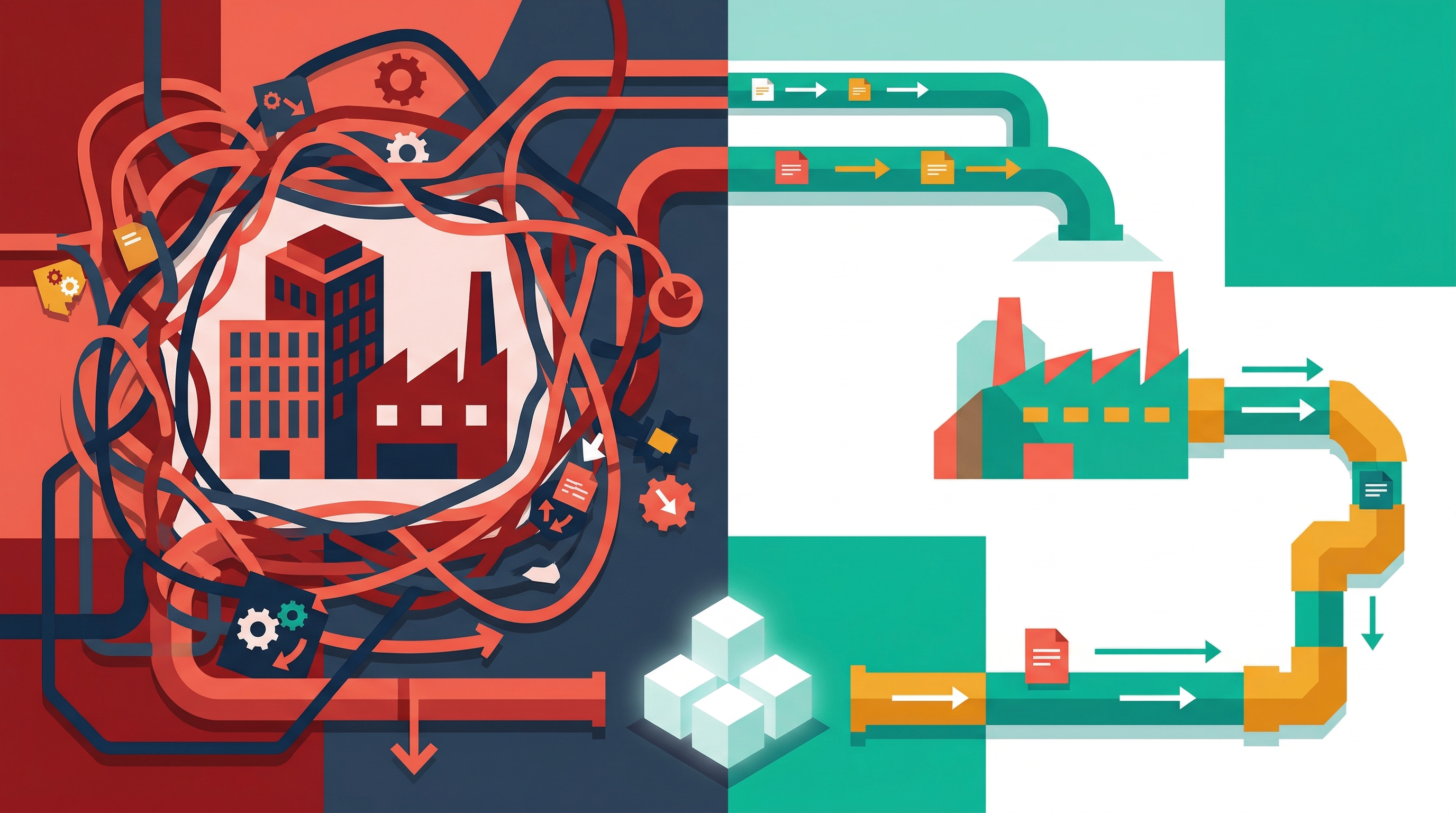
Complexification is the enemy of scale. Oussama draws a chart live: complexity rises like this, management capacity is like this, and the intersection of the two is where chaos appears and companies die. This is exactly what a SaaS is for: getting out of middleman complexity, standardizing, avoiding the bottleneck.
Amir and Abdel Ali, with their facility management company, get told: "Build the "nth SaaS", build the "nth marketplace". Stop believing that being different is the key."
SEPARATE BRAIN AND MUSCLE
The brain solves conversion rate, catalog qualification, pitch. The muscle solves lead volume, cold email, follow-ups. The brain should only kick in once all the muscle solutions have been deployed. Most entrepreneurs do the opposite: they think the right idea will save them, when they haven't even ground it out yet.

A BUSINESS THAT SURVIVES WITHOUT EXPLODING IS A TRAP
It works well enough to survive but not enough to explode. The strategy: the "dual track". On one side, pour insane energy into restarting the engine. On the other, let the market know you're open to selling. Getting your freedom back to go to a less complicated space with better margins, more money, more happiness — is sometimes the smartest decision.

FOUNDER- PROCESS FIT IS MORE IMPORTANT
It's not enough for your product to match the market. Your way of building has to match who you are. Building in public isn't for everyone. Cold calling isn't either. AI lets you build a system personalized to your personality: if you prefer writing, write; if you prefer talking, talk. But don't copy someone else's process.
MAKING MONEY WITH AVERAGE EMPLOYEES
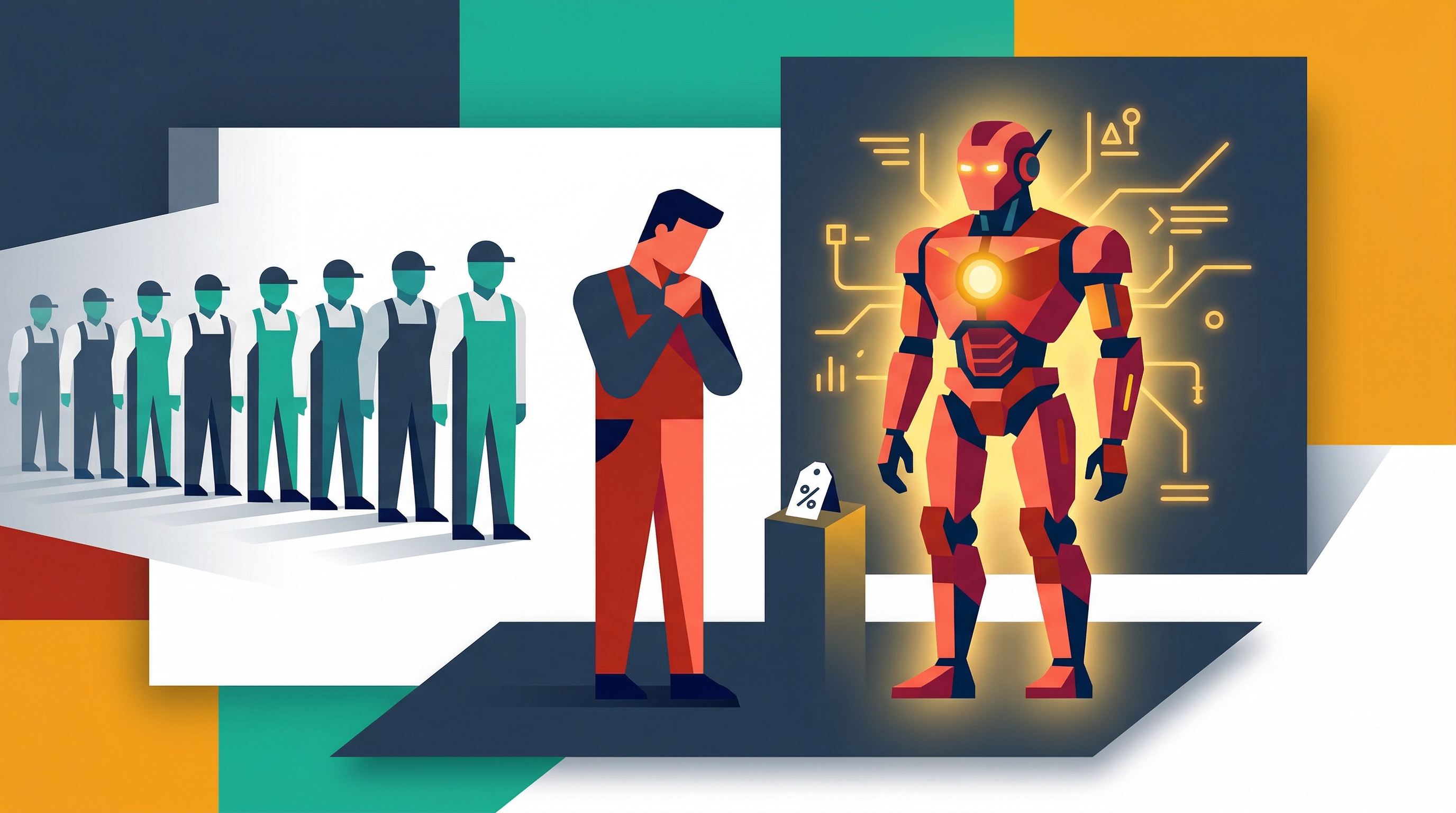
Stop the fantasy of "let's hire the best". An entrepreneur's dream shouldn't be to have the best team in the world, but to make money despite having the most average team in the world — thanks to process, thanks to AI. It's normal employees aren't passionate. That's why we all want to replace them with AI.
SCALABILITY ≠ REPLICA- BILITY
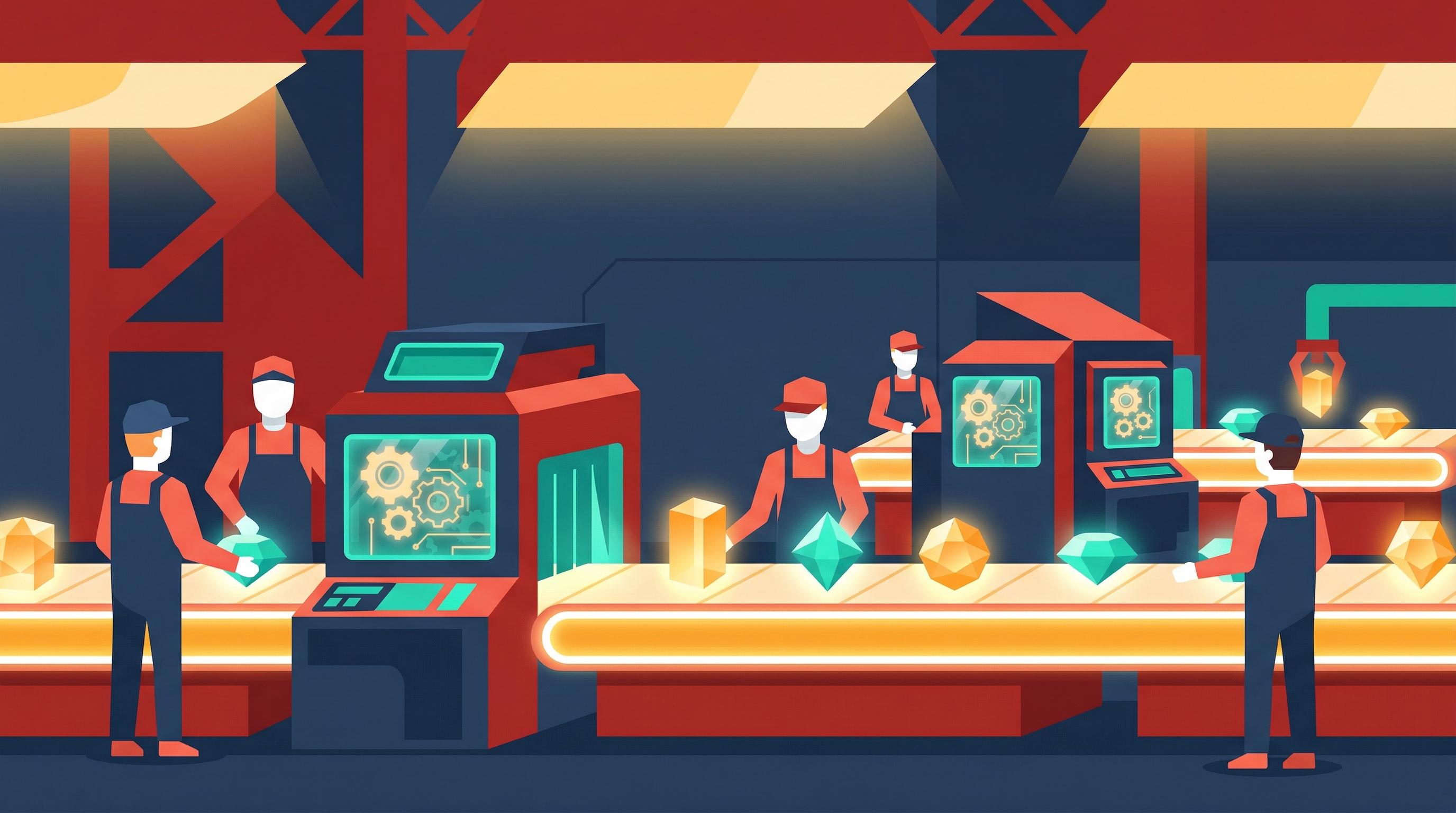
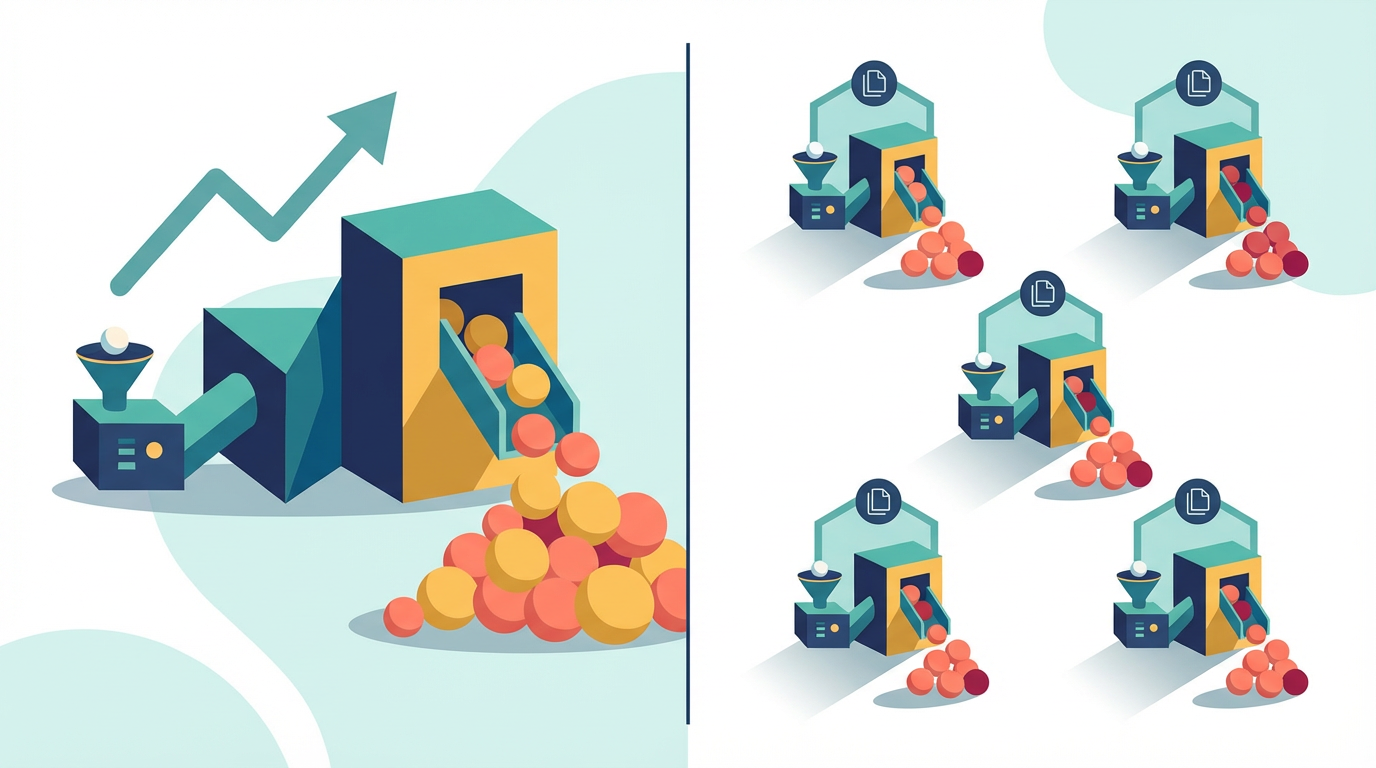
Most entrepreneurs conflate the two. Scalability is increasing returns to scale — doing more with the same thing. Replicability is reproducing a working model in a new context. For certain businesses — like an educational SaaS deployed school by school — the real lever isn't scaling existing operations but replicating the model in new geographic markets.
CHAPTER 4
AI & AI-FIRST CEO
The heart of the Scale with Ouss program. AI isn't one more tool — it's the foundational layer on which to rebuild 100% of your company.
STOP PENNY- PINCHING ON AI TOOLS
Claude Code does the work of an engineer at 10,000 € per month — for $200 per month. And you still have mental barriers? The French-speaking ecosystem suffers from a disease: penny-pinching. Counting tokens, hesitating, hunting for free. Even in the worst situation, you can work four days as a dishwasher at 50 € to pay the subscription. Your problem is a problem of will, not of means.

AI IS THE FIRST TOOL WITH RECURSIVE EXPLANATION
If you find a fridge in a forest, the fridge can't explain to you that it's there to cool food. AI can. To use it, you need two things: curiosity and a basic understanding of software architecture. Not becoming an engineer — understanding the paradigm.
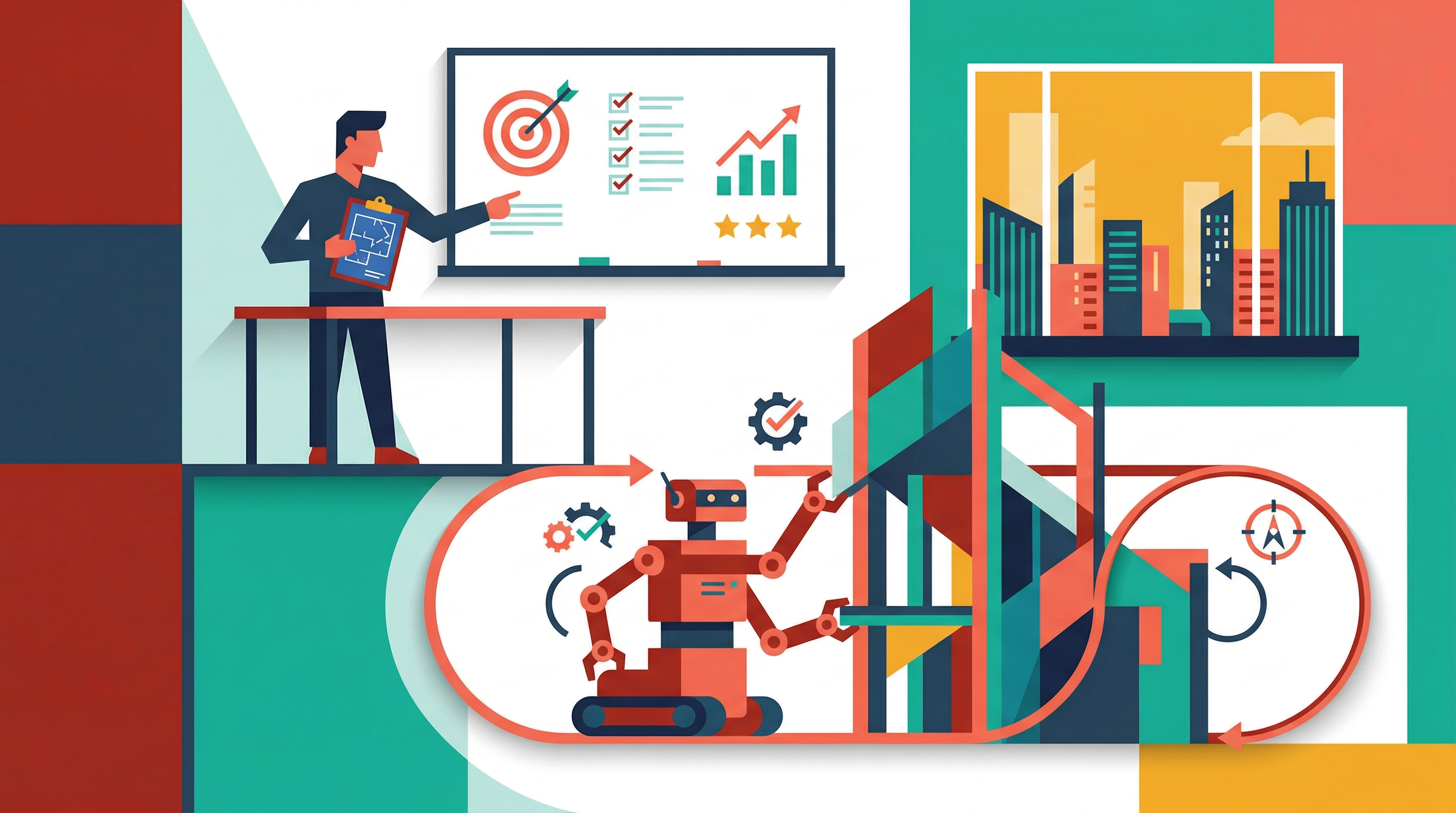
WE NO LONGER READ CODE — WE STRUCTURE
The goal isn't to re-read what the AI did. It's to define objectives, tests, success criteria, and let the AI run infinite loops. Coding with AI isn't coding like a developer. That's why the creator of Open Claw isn't an engineer — and why OpenAI buys it for a billion after 96 days of work. The point is to be on equal footing with the AI on architecture choices.
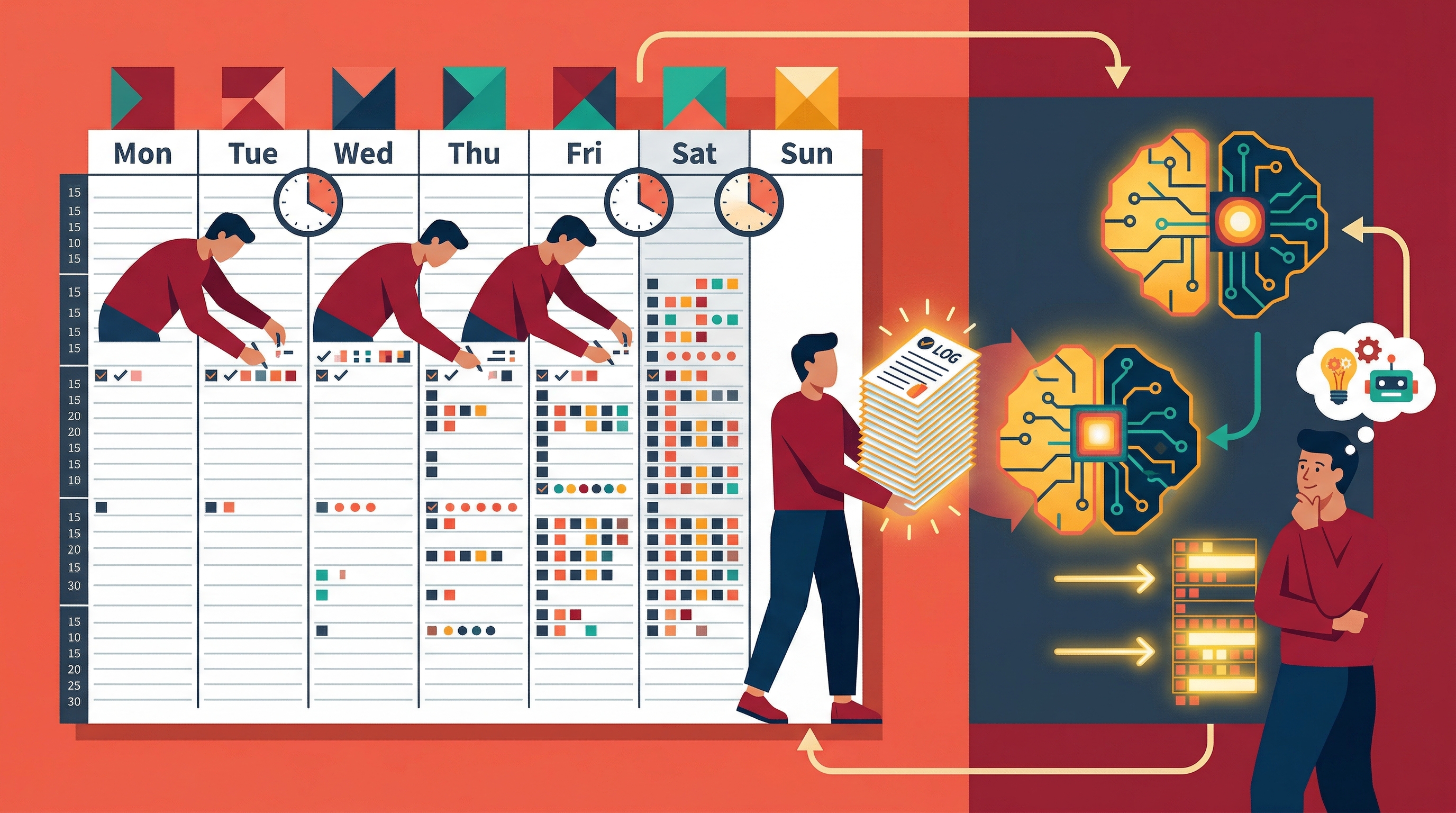
THE CALENDAR METHOD: 15 MINUTES
Every quarter of an hour, for a week, write down what you're doing. On Sunday, give everything to Claude and look at what the AI can automate. Start over every week. Week by week, you optimize, you automate more. It's as dumb and as powerful as that.

AI AS AN AUTONOMOUS AGENT NOT AS A TOOL
Oussama shows live how his Scale with Ouss site is driven 24/7 by an AI agent: it decides design optimizations, adjusts pricing, handles customer communication (WhatsApp, email, YouTube video depending on each contact's preferences), generates articles from his Better Call Ouss conversations.
Stack: Claude Code for the site, Google Cloud Run for backend/frontend, a backend agent for security, a frontend agent for copy. Total cost: roughly $250 per month.
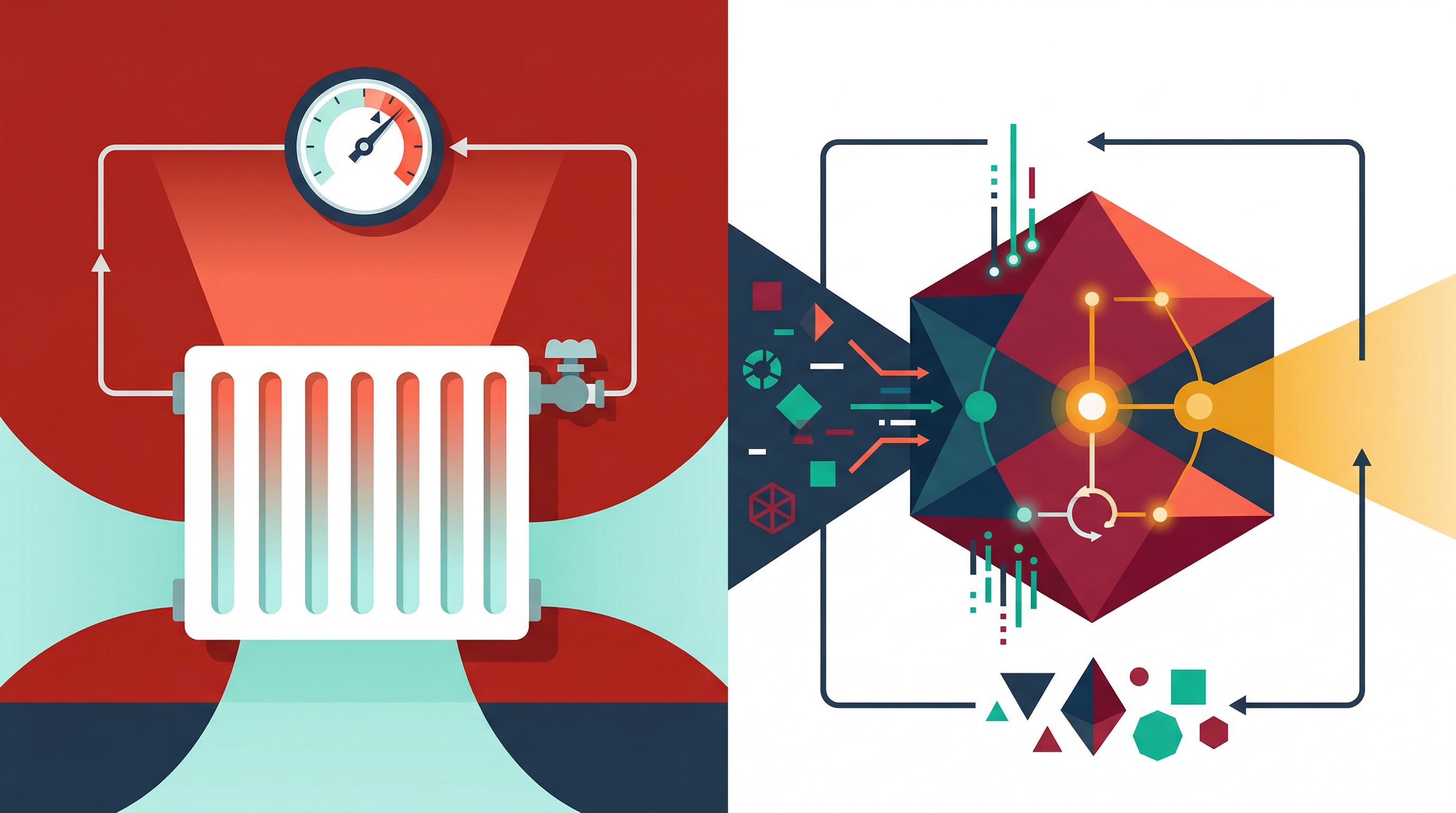
AI SYSTEMS ARE NO MORE COMPLICATED THAN A RADIATOR
Oussama explains Norbert Wiener's cybernetics (1960s): a radiator has a state (the temperature), a thermostat (the target), an output (heat) and an input (the ambient temperature). It produces heat until it reaches the target, then stops. AI systems work exactly the same: input, state, output. Three vector variables X, Y, Z. Mastering this self-feedback loop logic has become mandatory.

INVEST IN CONTEXT ENGINEERING
The richer your context files, the more the AI knows you. Oussama reveals his structure live: "core" folder (identity, anti-patterns, constraints), "psychology" (interpersonal dynamics, full psych profile), "work" (portfolio, investment thesis), "intellectual" (books, concepts, films, worldview), "style" (writing in French, in English, rhetorical weapons), "technique" (stack, tools, workflow), "team" (his AI employees: Alan Turing for backend, Loki for chief of staff, Steve Jobs for brainstorming). Far more powerful than one-off prompts.

SEPARATE THINKING AND EXECUTION
Don't talk about your projects in Claude Code. Use claude.ai for strategic thinking, product reviews, brainstorming — an environment where the AI doesn't want to start coding all the time. Claude Code is execution. Mixing the two is "system tap".

OPEN CLAW AND CLAUDE CODE COMPLEMENTARY
Open Claw, well-configured, works without you being in the loop. Claude Code / Cowork works with you, on your instructions. An agent can use a tool — your Open Claw can use your Cowork. Also, match the model to the need: Claude Opus for complex tasks, Sonnet for day-to-day, Codex to challenge, Gemini for SEO. Stay curious, test every model constantly.
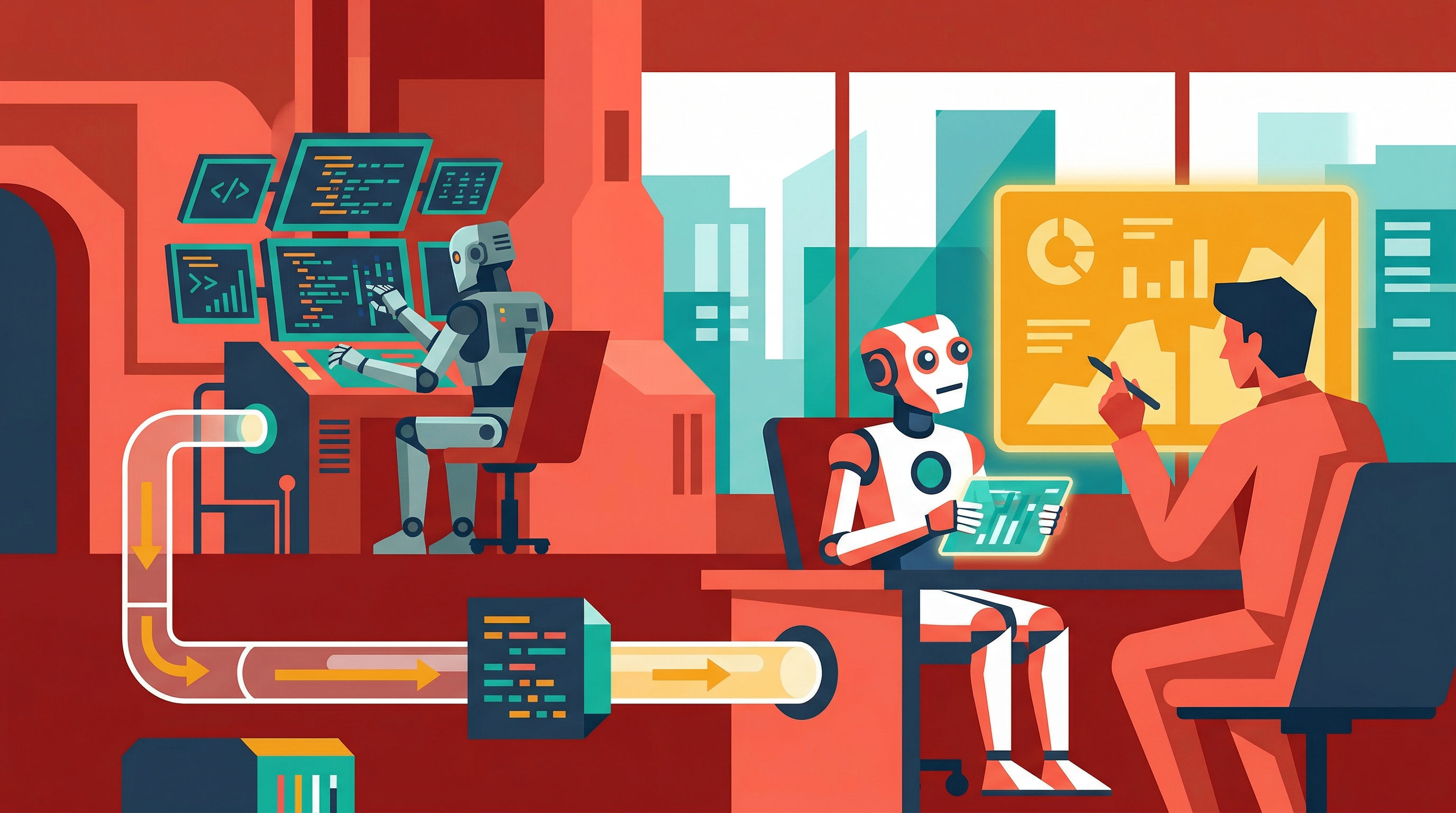
ENGINEER YOUR MARKETING
Developers and engineers who try to copy personal branding or storytelling approaches fail because they're playing outside their strength zone. The right approach is to treat go-to-market exactly like an engineering problem: build automated systems, optimization loops, agents that test copywriting. Today you can download the "brain" of a marketing expert via an AI's skills.
FIRE THE AI RESISTERS
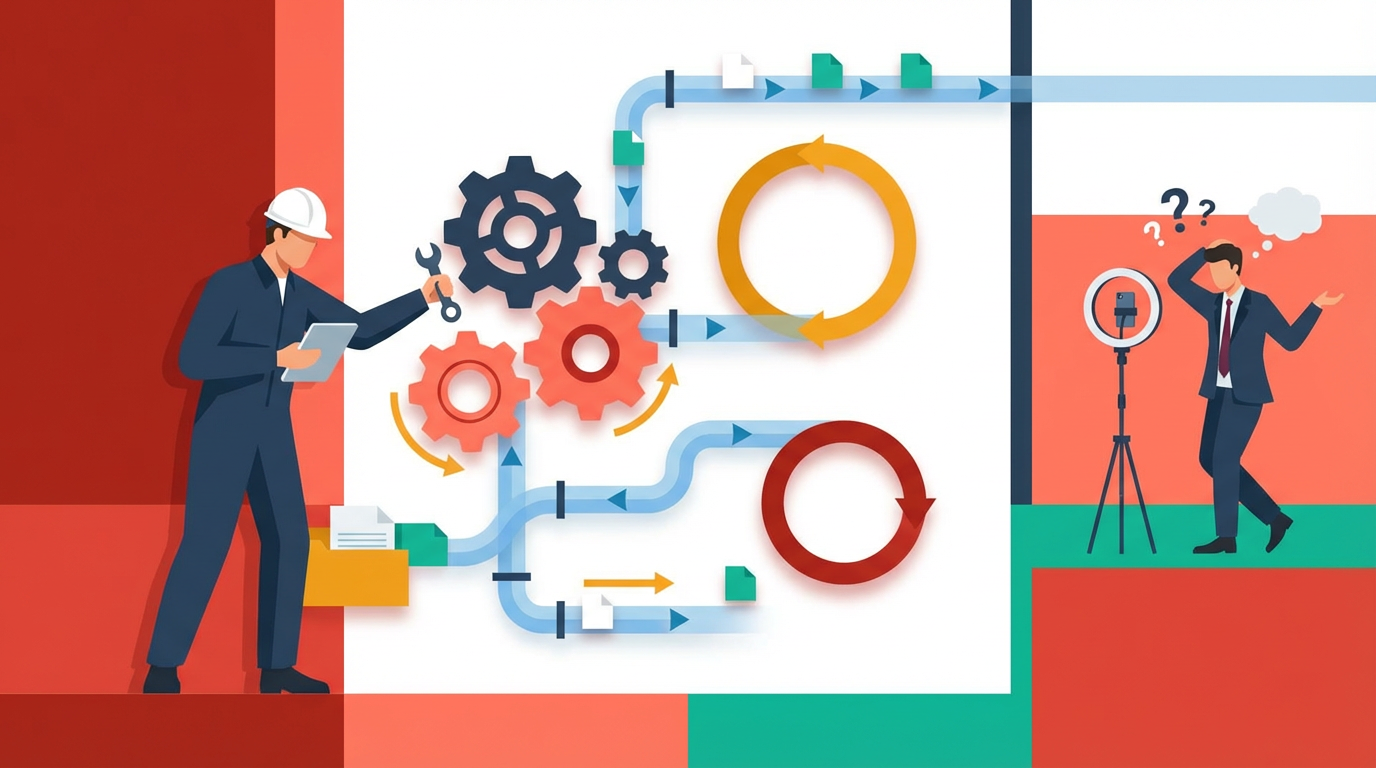
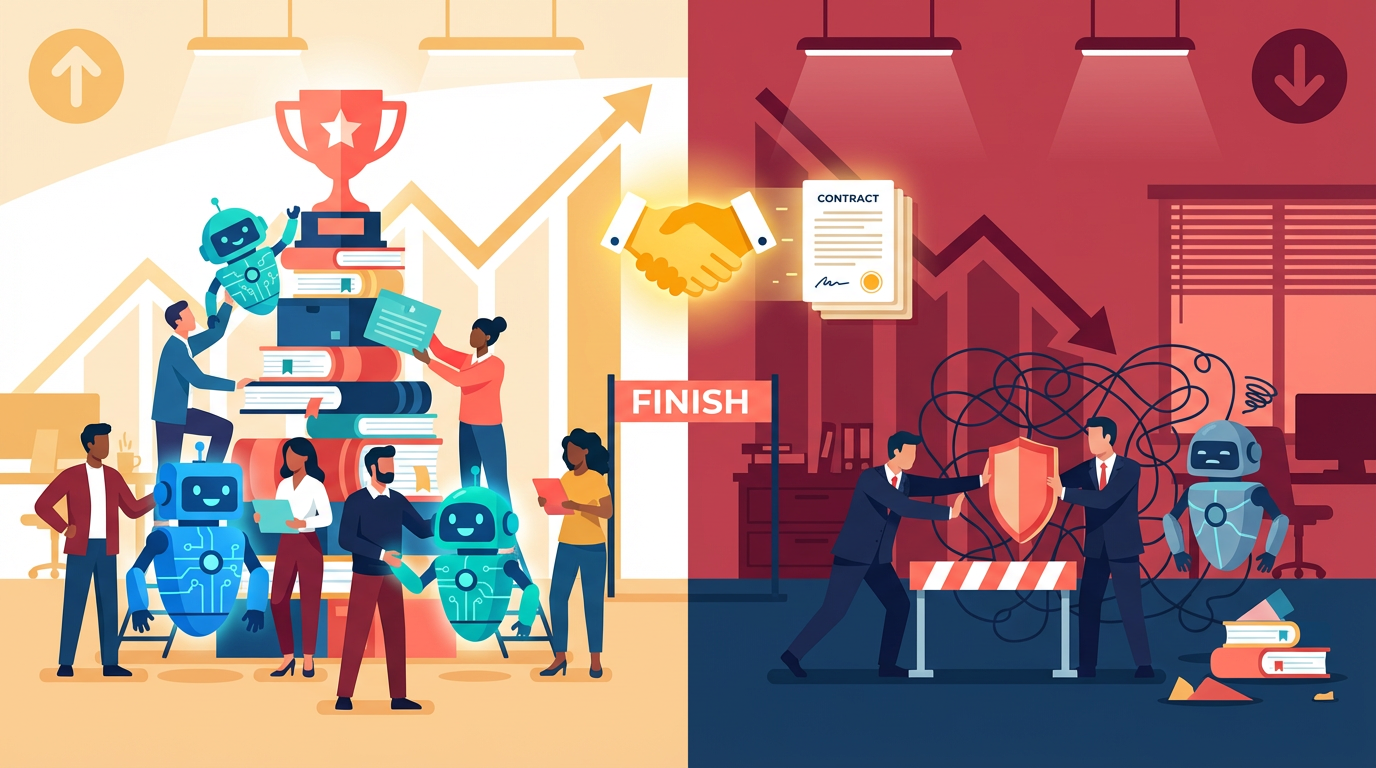
Employees hostile to AI don't just slow down their own evolution — they put the entire company at existential risk. A consulting firm with agentic systems, programmable research, access to LLM power cannot lose against a traditional firm. The CEO's responsibility isn't to preserve jobs AI makes obsolete, but to optimize the organization's profit.
CHAPTER 5
CONTENT & PERSONAL BRANDING
In a world where intelligence is commoditized, the ability to tell a story and build a personal brand becomes the decisive lever.
AUTHORITY COMES FROM VOLUME
French-speaking culture has a passion for "good content". But content alone isn't enough. You need mass. You can't have 30 original ideas per day, so you have to find what works and repeat it. Copy the Americans: they're under pressure in a massive market, so they're naturally better. What works in the US works in France.

START FROM ZERO: FACELESS ACCOUNTS
Rock-bottom production cost, maximum test capacity. On Instagram, a sneaky technique: post the same content 10, 20, 70 times with different hooks via test accounts. Keep what performs best. The new personal branding is increasingly anonymous and intellectual: what people care about is what you say, not who you are.

1 HOUR OF VIDEO = 7 DAYS OF CONTENT
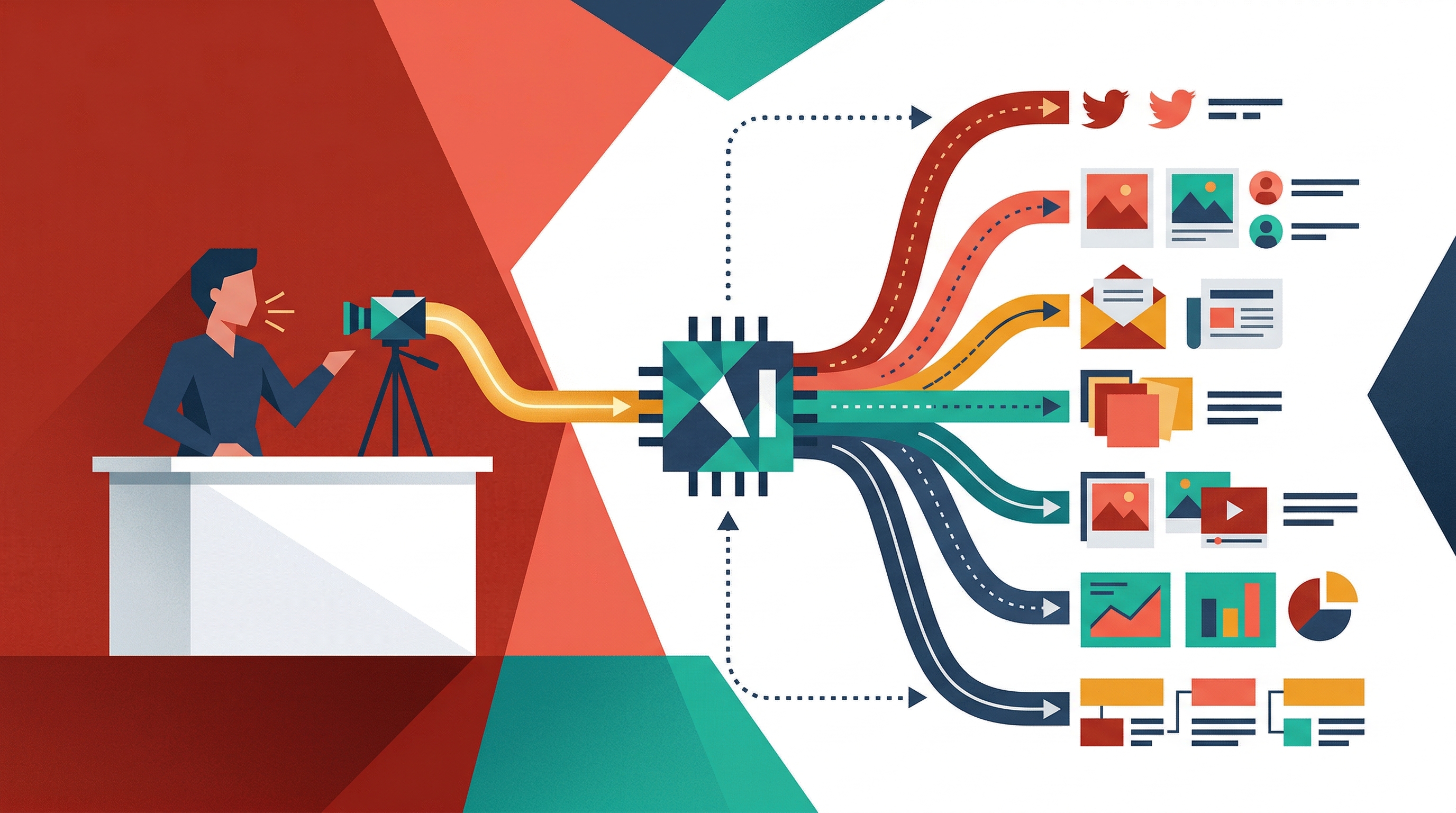
Record a one-hour face-cam video on YouTube. AI agents turn it into LinkedIn posts, tweets, newsletter, Instagram carousels — 100% automatically. This is the system Oussama recommends to Adam, 16 years old, who has no time between school and his startup. For 1 hour a week, you get 7 days of intense content.
QUALIFY 100% OF YOUR AUDIENCE WITH AI
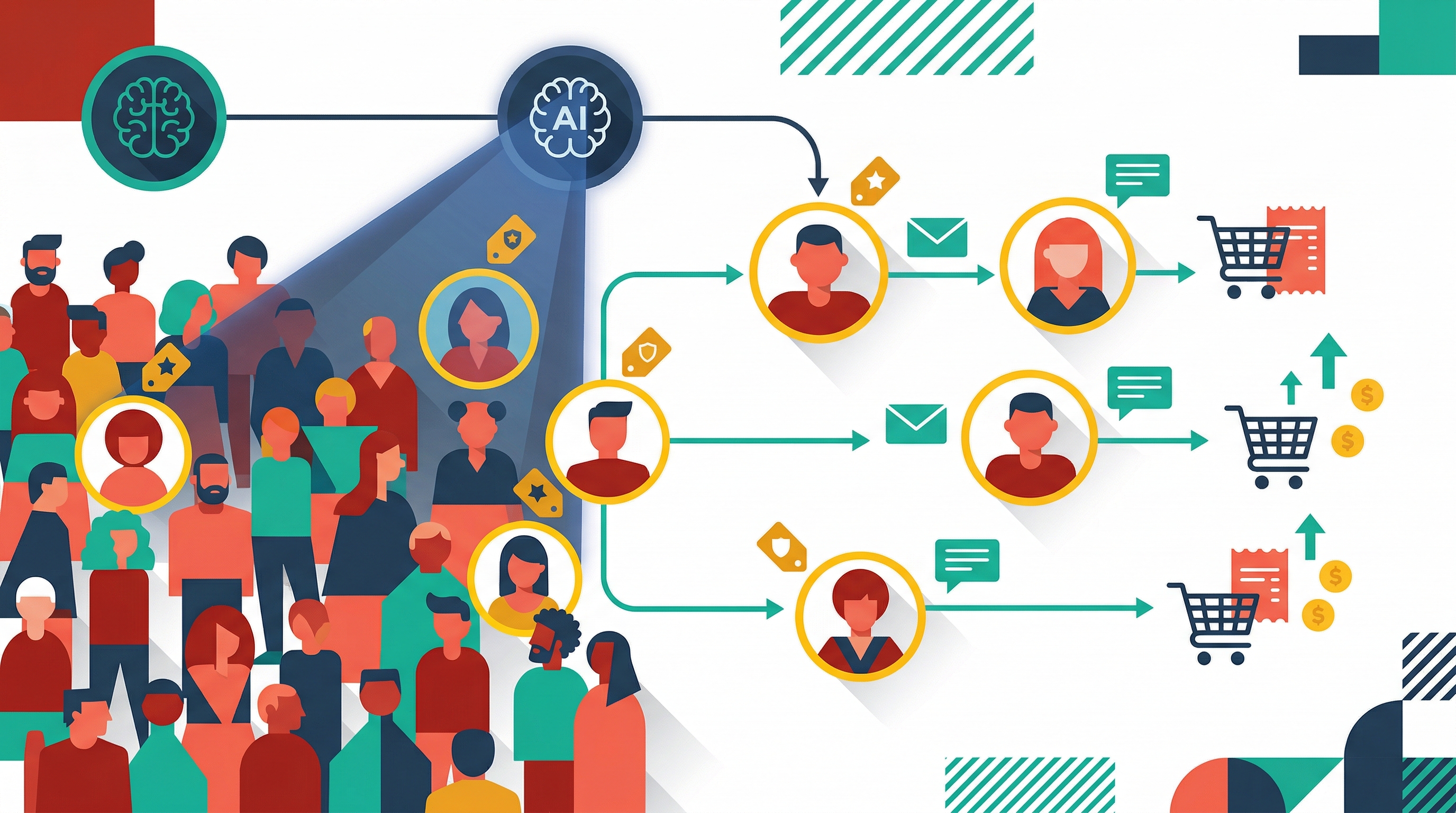
Robin the cabinetmaker has soccer players following him on Instagram without knowing it. AI could have identified them, tagged them, surfaced them as premium prospects. Better than a form: have AI talk to 100% of people interacting with your account. An American craftsman got Oussama to buy furniture simply because his bot sent him a DM after he liked four videos.
THE JAPANESE MODEL OF PERSONAL BRANDING
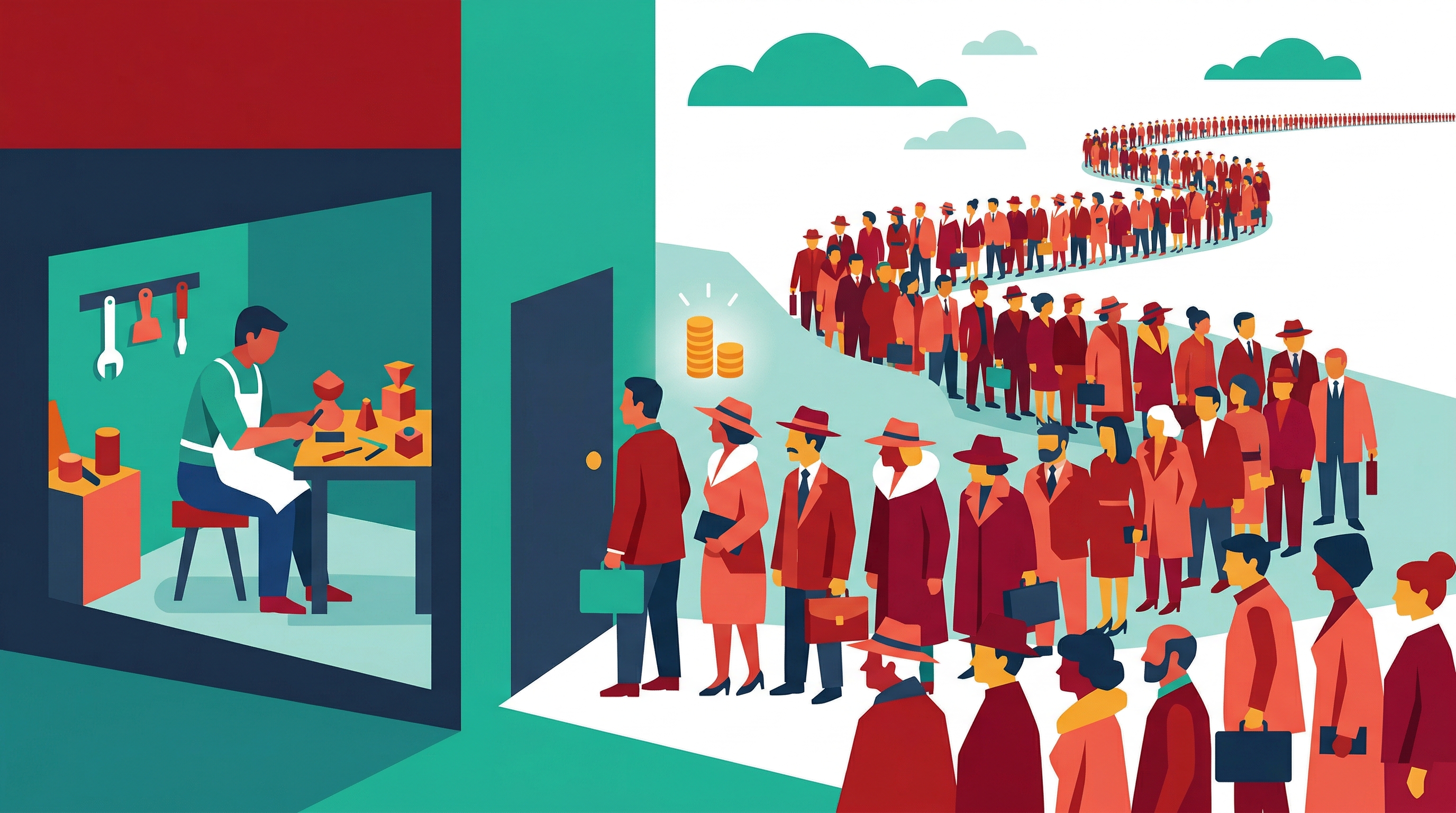
Japanese craftsmen never scale their operation. They stay alone their whole life, but they scale the demand and the value people place on their work. They raise prices. To raise prices, you have to create permanent demand pressure: a good sales rep (or AI), content, curation, nurturing. Robin doesn't need to hire at the workshop — he needs his price to go from 10,000 to 50,000 € per piece.
GEOLOCATE YOUR CONTENT
Abruptly switching from French content to English on an existing account risks "polluting" the algorithms with French-speaking followers who penalize the geolocation. The right strategy: create a private American account, hit 10,000 followers before going public, and never announce the switch to your French audience to keep them from going to check out the English account.

THE FAKE PAID NEWSLETTER
To get the first 1,000 subscribers, the best psychological hack is to act as if the newsletter were paid and "offer" it for free. The basic human mechanism: if something looks like it has value (and is normally paid) and you get it for free, you're much more inclined to sign up and open it. This technique also boosts open rates.

CHAPTER 6
STRATEGY & ECONOMIC MODELS
Beyond tactical advice, Oussama develops two macro theses on how the economy is evolving: fashionization and fractalization. Two trends that redefine what it means to "create value".
THE FASHIONI- ZATION OF THE ECONOMY
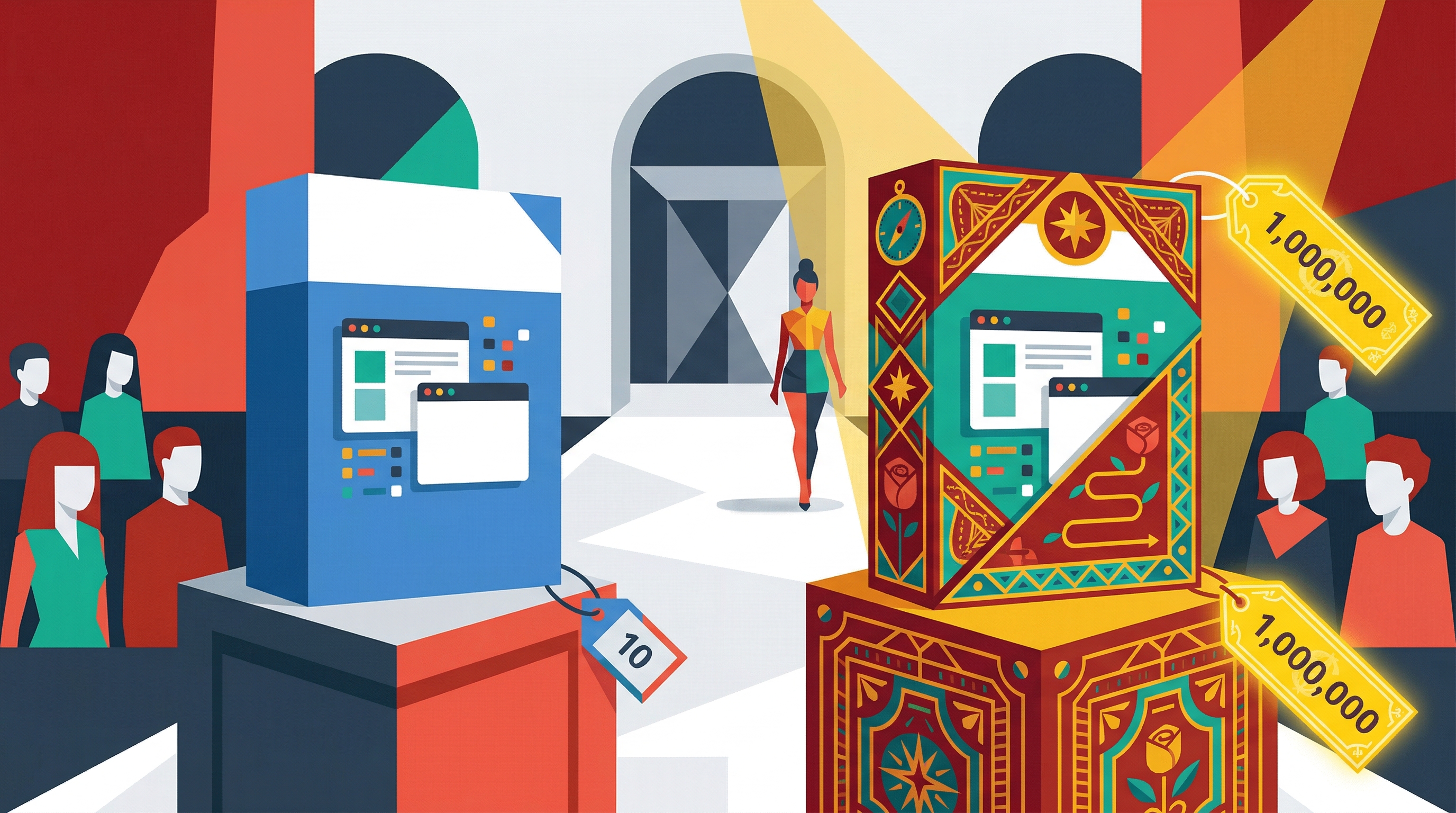
When AI commoditizes intelligence and execution, everything will become like fashion. We no longer really tell the difference between real quality and perceived quality. A Dior t-shirt costs more than an H&M one not because it's better, but because Dior has a mystique and a history. SaaS will follow the same path: people won't buy them for the tech but for the brand.
THE FRACTALI- ZATION OF THE ECONOMY
In Japan, thousands of restaurants run like this: 1 chef, 8 seats, 4 services per day, 25 days per month. At 70 € average check: 56,000 € monthly revenue, 30% net margin, 16,800 € income. At 300 €: 72,000 € monthly income, half a million per year, alone, in his passion.
The future is there: it's getting easier and easier to become a millionaire and harder and harder to become a billionaire. The economy fragments into millions of profitable micro-niches.

AGENCY IS THE NEW SAAS
Y Combinator wrote it in their Request for Startups. People aren't interested in how they buy things — they're interested in the outcome. As software becomes a commodity, the outcome isn't. Build agencies that are SaaS in disguise: internal automation, human ceremony on the front.
The ceremony — the meetings, the documents, the reassurance — is what people buy, even when AI does 90% of the work. It's the difference between a 3 million logo and a 20 € logo on 99designs.

WHEN YOU HESITATE: ROLL THE DICE
Counterintuitive but brutally effective. When you're lost between multiple strategic choices, pick one at random and dedicate yourself only to it. If it wasn't the right one, you'll find out faster than by staying in the fog. Start over. Method inspired by Bernard Werber in The Encyclopedia of Relative and Absolute Knowledge: flip three coins to determine the combination. Execution gives you information — not the other way around.

THE TONY ROBBINS AMBASSADOR MODEL
To scale a coaching or training program, the most powerful model is to train the people who train the people. Supply a standardized event package: slides, keynote, closing. Train local ambassadors in each city. People who steal your method without your label sell themselves for three times less. The value is in the brand ecosystem you build around the software.
CHAPTER 7
PRODUCTIVITY, ORGANIZATION & SURVIVAL
The final hours of the live reveal a more introspective Oussama. After 10 hours of continuous talking, fatigue drops the masks and the lessons turn personal.
YOUR CONTEXT WINDOW: 12 HOURS
Work on all your projects every day, even 5 minutes each. What doesn't fit into the day shouldn't fit into the week. No backlog: recurrence and routine. It's Christophe Delone's lesson on multitasking: never push things across multiple days. If you have 8 projects, you work on all 8 projects every day.

WORK IN AND ON THE COMPANY
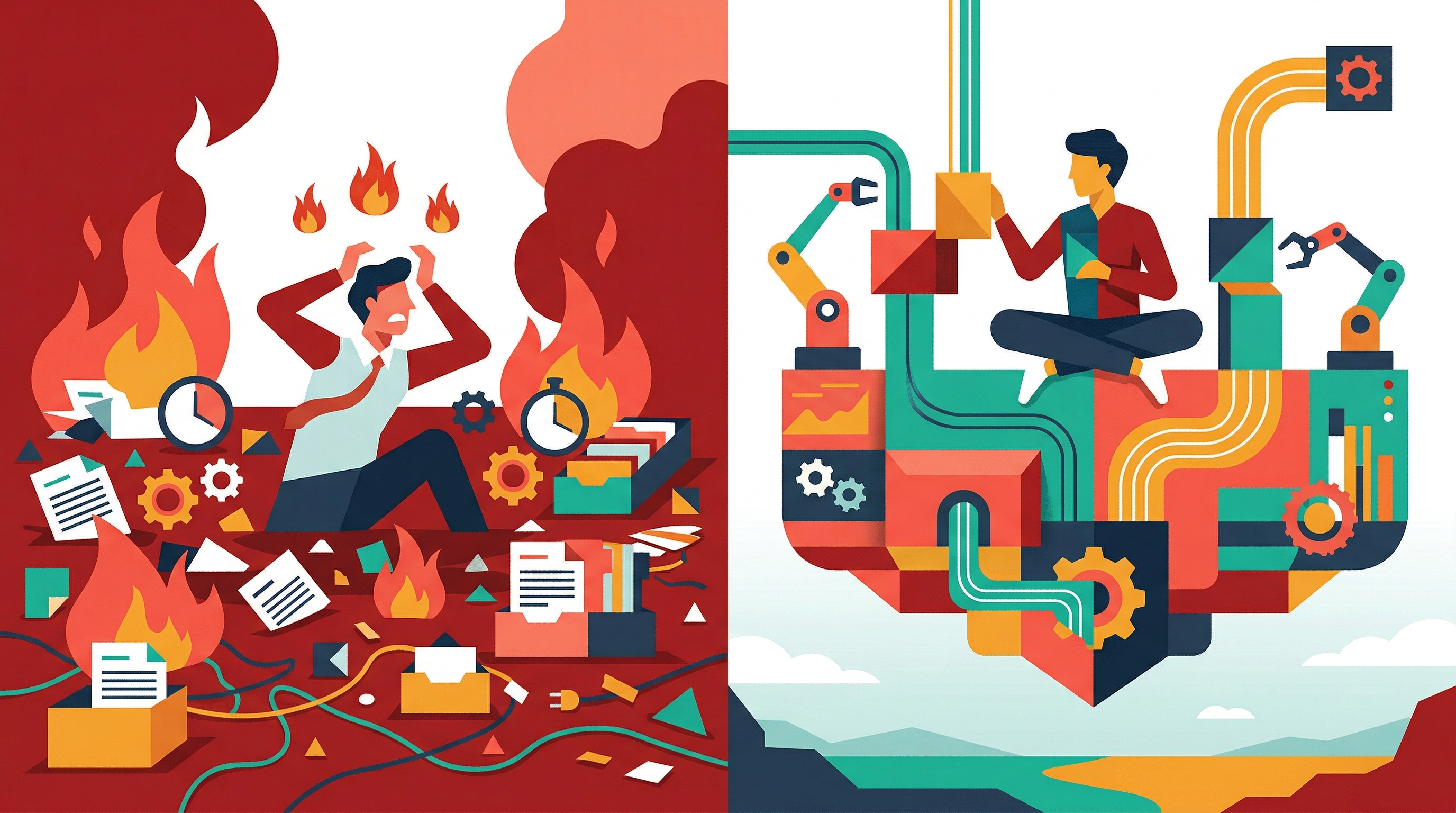
Founders drown in operations. You need moments to work in the company (daily delivery) and moments to work on the company (systems, automation, vision). Romain, founder of Click and Rent at 255 K€ in revenue with 2,500 apartments, spends his days managing operational shit. His absolute priority: migrating his 600 Make scenarios to AI agents to free himself.
TRAIN YOUR AGENCY LIKE A MUSCLE
Agency — the capacity for autonomous action — is the most important muscle of the next ten years. It's trained through repetition and time constraints. Set yourself rules: build something in one day, launch a site in one day, write a song on Suno and publish it on Spotify in one day. Like in a video game, side quests build up the XP for boss day.

GET A FULL BLOOD WORKUP
Dopamine issues, thyroid, testosterone? We underestimate biology. There's no point flagellating yourself if the body is malfunctioning. Go see a functional doctor. Once the mechanics are checked, motivation becomes secondary behind discipline. Discipline is doing things even when you don't feel like it.

AI CAN TRIGGER AN UNPRECEDENTED BURNOUT
Oussama admits it live in front of 7,000 people: he had his first burnout in 2026, because of AI. Everything is possible, the code addiction is real, the dopamine is permanent. After 10 hours of live, he confirms that in his circle, everyone is in an "addictive psychodrama with Claude Code". Force yourself to take breaks, moments without AI. Getting bored remains super important to build something important.

THE THEORY OF THE FOUR BURNERS
Life has four "burners" — family, friends, work, health — and you can never have more than two lit at full power at the same time, not enough gas to fuel all four. Wanting to excel in entrepreneurship AND in your studies at the same time is an illusion: you have to choose which burner you light up high and accept the trade-offs.

EPILOGUE
This 12-hour live is a one-of-a-kind object. You watch a man think in real time, move between the brutality of diagnosis and the generosity of advice, alternating between macroeconomic theory and very concrete counsel to a distributor of magnifiers for the visually impaired.
You also see the cracks: the fatigue, the eye infection, the disgusting beet juice, the missile alerts in the background, the 5G connection issues. But it's precisely that transparency that gives the format its value. This isn't a carefully edited lecture — it's a live entrepreneurial stream of consciousness, with all its flashes of genius and moments of chaos.
The final message holds in a few words, repeated in a thousand different forms across those 12 hours: time is the most precious currency. AI frees up that time. But the freedom AI gives is worth nothing without the courage to use it, the taste to know what to do with it, and the intensity to actually do it.
Source: Live "Scale with Ouss #1" — YouTube, March 10, 2026. Synthesis drawn from the full transcript of the live stream (12h).
WHAT MORE?
Scroll down for bonus advices...
EXECUTION BEATS THE IDEA EVERY SINGLE DAY
A brilliant idea without execution is worth absolutely nothing. The startup graveyard is full of revolutionary ideas that never saw the light of day. What makes the difference is the ability to turn that idea into reality, to overcome daily obstacles, and to adapt to market feedback.
Don't protect your idea, share it. The real value lies in your ability to execute it better and faster than others. Action is the only true indicator of progress.

BUILD A PERSONAL MONOPOLY
In a hyper-competitive world, the only way to stop fighting on price is to become incomparable. A personal monopoly is created at the intersection of your unique skills, your passions, and your personality.
Don't try to be the best in an existing category. Create your own category where you're the only player. Be so much yourself that no one can ever copy you. Authenticity is the ultimate competitive advantage.

 Library