Héritage &Mission
30 lessons distilled from a conversation with Omar Sow, President of CSE and son of Aliou Sow.
FOREWORD
When legacy is not a luxury but a mission. Omar Sow, President of CSE (Compagnie Sahélienne d'Entreprises), looks back on a life of responsibility, sacrifice, and reinvention.
The eldest son of Aliou Sow — a legend of African construction who founded CSE in 1970 — Omar never dreamed of building sites. And yet, he chose to honor a family mission: preserve and grow the legacy of a visionary father.
In this long-form interview, he opens up without filter: the inside of CSE, his relationships with African heads of state, his discreet investments (banking, art, energy), and a life philosophy centered on faith, humanity, and restraint.
This recap distills the essentials into 30 lessons. Not a lecture, but a masterclass in humility and clarity on power, money, and duty — delivered by a man who inherited an empire and learned to turn it into a calling.
CHAPTER 1
MINDSET & CALLING
Before talking about money, management, or strategy, Omar Sow lays the foundations: how you accept a mission you didn't choose, how thought shapes reality, and why impact matters more than accumulation.
I AM ON THE ELDEST SON'S MISSION
Omar never chose the construction industry: he was born into it. On Sundays, his father Aliou Sow would pile the four boys into the car for the tour of the job sites. As the eldest son, he inherited a tacit but crushing command: take over the company. "Had I been even the second son, I would have had a different destiny." BTP is not his passion — it is his duty, and he has accepted it without regret since September 28, 1987.

DUTY DOES NOT ASK FOR PASSION
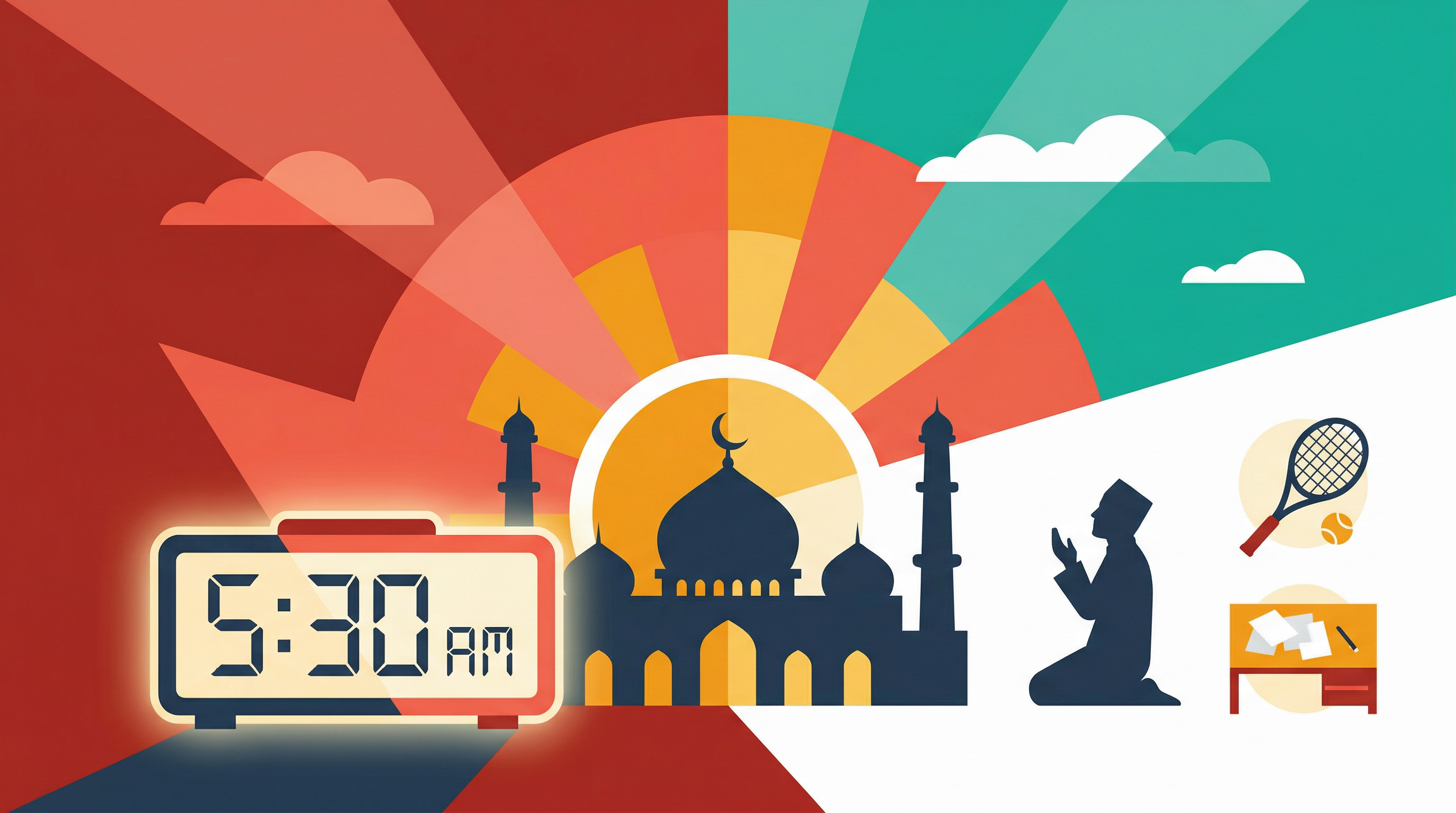
Omar studied finance in New York, dreamed of a Wall Street career — and walked away from all of it to return to Dakar. His father never explicitly asked him to join CSE. But there are commands that are never spoken: "You know this is what you have to do." Duty is like the Fajr prayer at 5 a.m. — it isn't fun, you do it anyway.
NO ONE SHOULD IMPRESS YOU
Facing heads of state as easily as ministers, Omar does not flinch. His secret isn't arrogance, it's the opposite: "Whoever you are, you are nothing. You only exist by the goodwill of the Almighty." This vertical humility — before God — produces absolute horizontality before men. Even Yerim, his billionaire brother, "keeps a low profile." It's the DNA of the Sow family, drilled in by Aliou.

THOUGHT SHAPES REALITY
Omar's core advice to young people: "You must believe in what you want to become and never let go." He cites the book "The Secret" without irony. At his own modest level, he sees it confirmed every day: when he truly wants something and does everything for it, he gets it. His brother Yerim would say exactly the same thing. Faith in the outcome is the entrepreneur's first tool — before the business plan, before the funding.

THE QUIET COURAGE OF OWNING YOUR FEAR
Omar openly admits he is conservative, cautious, even fearful. He makes no effort to hide that in business he is much more prudent than his brother Yerim, who "wants everything and fears nothing." Success doesn't come from fake boldness: it comes from accepting your temperament and building on it. Fear can be a guardrail just as useful as boldness is an engine.

CHAPTER 2
DISCIPLINE & THE FATHER'S LEGACY
Behind every principle of Omar's stands the figure of Aliou Sow. A strict, demanding father whose rules — your word as your signature, anxiety as fuel, example as authority — form the bedrock of leadership at CSE.
YOUR WORD IS WORTH A SIGNATURE
It is the first value Aliou Sow instilled in Omar, simply by living it. "When you've given your word, it's worth a signature — even if it costs you money." In a trade where public contracts are negotiated for hundreds of billions of CFA, this rule becomes a competitive edge. It is the reason why, 55 years after its founding, CSE is still a benchmark and a "national heritage" — as the father himself said in front of President Wade.

FEAR OF THE FATHER BUILDS THE MAN
Omar admits it: without Aliou's strictness, he could have "drifted" and become a "small-time troublemaker." Not a big one, because he's "fearful." But his fear of his father was a guardrail throughout his partying youth. That severity, combined with the implicit mission of the eldest, kept him from ruining everything. The 6 Sow brothers all bear that mark — none of them struts, not even Yerim the billionaire.

TAKE THE FATHER'S PLACE, SLOWLY
During the 20 years of the Diouf administration, Omar "barely existed" at CSE. He was an apprentice; his father was the face of the company. Then in 2000, Wade comes to power with ministers Omar's age, and the wheel turns. One day, it's Omar who brings Aliou to an audience with Idrissa Seck, prime minister — instead of the other way around. In that precise moment, his father understands that his time has passed.

LEARN THE TRADE IN THE BUSH, NOT IN MEETINGS
Omar is not an engineer — but no engineer at CSE can feed him nonsense. Why? Because he started as an administrative agent in Sierra Leone in 1987, then country manager in Guinea, with stints in Mali, Niger, and Burkina Faso. Years in the field, in the bush, with one week in Dakar every 3 months. Technical legitimacy cannot be bought — it is earned on the job sites, in the mud.
STRESS IS YOUR TRUE ENGINE
Omar wakes up with anxiety. His brother Ardo doesn't know stress — and Omar tells him that's "very serious": "Someone who doesn't stress doesn't solve problems." An entrepreneur who frets over problems that haven't even happened yet is the one who drives the machine forward. Omar inherited this anxiety from both his father and mother; it's ancestral baggage he carries — and it saves him.

INHERITANCE: NO CASH, JUST TOOLS
"My father didn't leave us billions in the bank, you need to know that." Aliou Sow left his sons companies — and companies in trouble. In 2017, at the time of his death, CSE was "rock bottom," with the Senegalese State and Sierra Leone still owing large sums, barely enough to pay salaries. Omar says it openly: he will do the same with his own children. "It's your turn to fight."

CHAPTER 3
MONEY & REINVENTION
Construction is a cash-flow business. You pay at 60 days, you collect at 150. Omar explains how to survive, reinvent, and ultimately turn CSE into a financial machine — from the 2017 crisis to the BST sale and the Bridge Bank investment.
MONEY THAT SLEEPS SERVES NOTHING
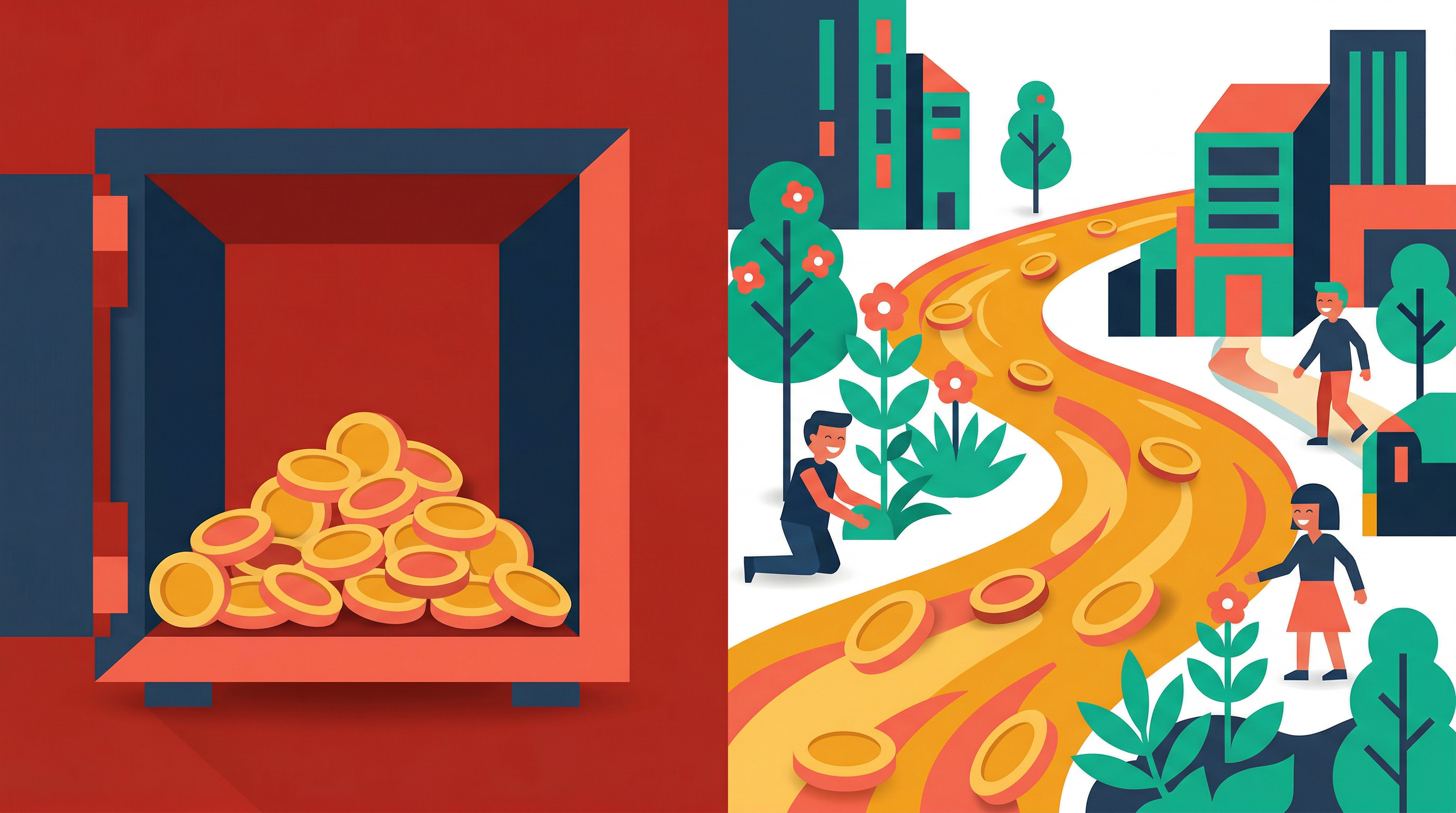
Omar holds no cash. His assets are in real estate, invested, in motion. "Having billions in a dormant account serves nothing." Only two options: spend it on yourself, or use it to help others. Any other stance — accumulating for accumulation's sake — makes no sense to him. What matters is circulation, not stacking.
UNDERSTAND WHY THE BANK ALWAYS WINS
BTP is a capital-intensive trade where suppliers are paid at 60 days but clients pay at 150 or even 180 days. Omar and his father were structurally in the red, constantly paying margin to their banks. That's when Omar understood: "The bank is the best business." This lesson led him to invest in BST, then Bridge Bank. Always ask yourself: in my value chain, who takes the real margin?
MULTIPLY YOUR STAKE BY TEN, NOT BY TWO
In 2006, the Sow group sells its stake in BST to CBAO for the equivalent of 40 years of dividends. Omar personally: a stake of 200 million CFA turned into 2.5 million euros. A 10x multiplication in just a few years. The money earned, Omar immediately reinvested into Bridge Bank, his brother Yerim's new banking venture. A good deal never stops — it funds the next one.
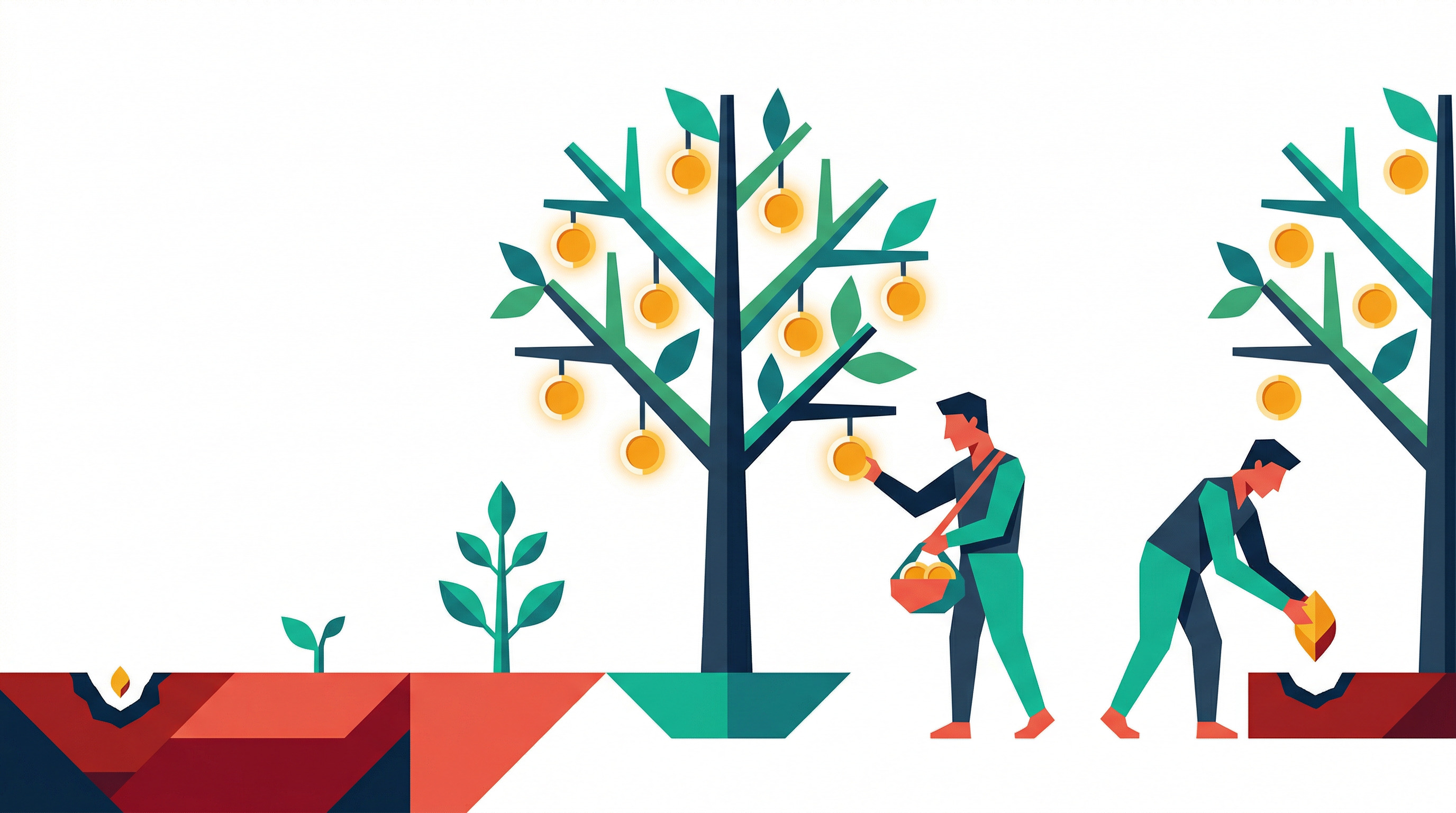
CUT THE COMPANY INTO PIECES TO SAVE IT
After 2017, Omar made a structural decision that transformed CSE: split the company into 4. The historic CSE (roads), CSE Immobilier (building and development), CSE Granulats (aggregates — now the group's most flourishing subsidiary), and CSEG (energy). The road business was dragging everything else down because it is "the worst paid and the most capital-intensive." This simple reorganization boosted the group's revenue — without a single euro of extra investment.

NEVER PUT ALL YOUR EGGS IN ONE BASKET
After 2018, Omar accelerates diversification: a power plant in Saint-Louis with Abdurrahman Y., the Bidan family and Turkish partners; a PVC pipe factory (vertical integration); banking stakes; mines. BTP remains the core, but the group now extends across energy, industry, and financial services. The country focus tightens: 4 targets — Senegal, Guinea, Gabon, Ivory Coast — instead of the 6 in his father's era. Focus AND diversification.

THE REAL BTP TRADE IS RELATIONSHIPS
Aliou Sow confided to Omar: "If I had founded CSE in the 2000s, I would never have succeeded." In the 70s, it was enough to be serious and to work hard. Today, without relationships, you go nowhere. The Chinese arrive with their Exim Bank and projects subsidized at 20%; classic public tenders have almost disappeared. You need to identify a project, structure the financing, and present an offer to the State — and that depends on who you know.

CHAPTER 4
PEOPLE & TRANSMISSION
CSE isn't just a company — it's a school. Omar talks about renewing his team, spotting talent, becoming a business angel for the next generation, and preparing the hardest transmission of all: the 3rd generation.
EVERY COMPANY BEGINS WITH PEOPLE
"The beginning and the end is human." Most people who join CSE stay — not for the high salary, but because they are attached to the company's image. Vinci and Satom poached many of their talents; many came back. CSE is a recognized "training lab": even the Senegalese administration (AGIR, APIX) recruits from them. Joining CSE means joining a family — that's what creates retention.
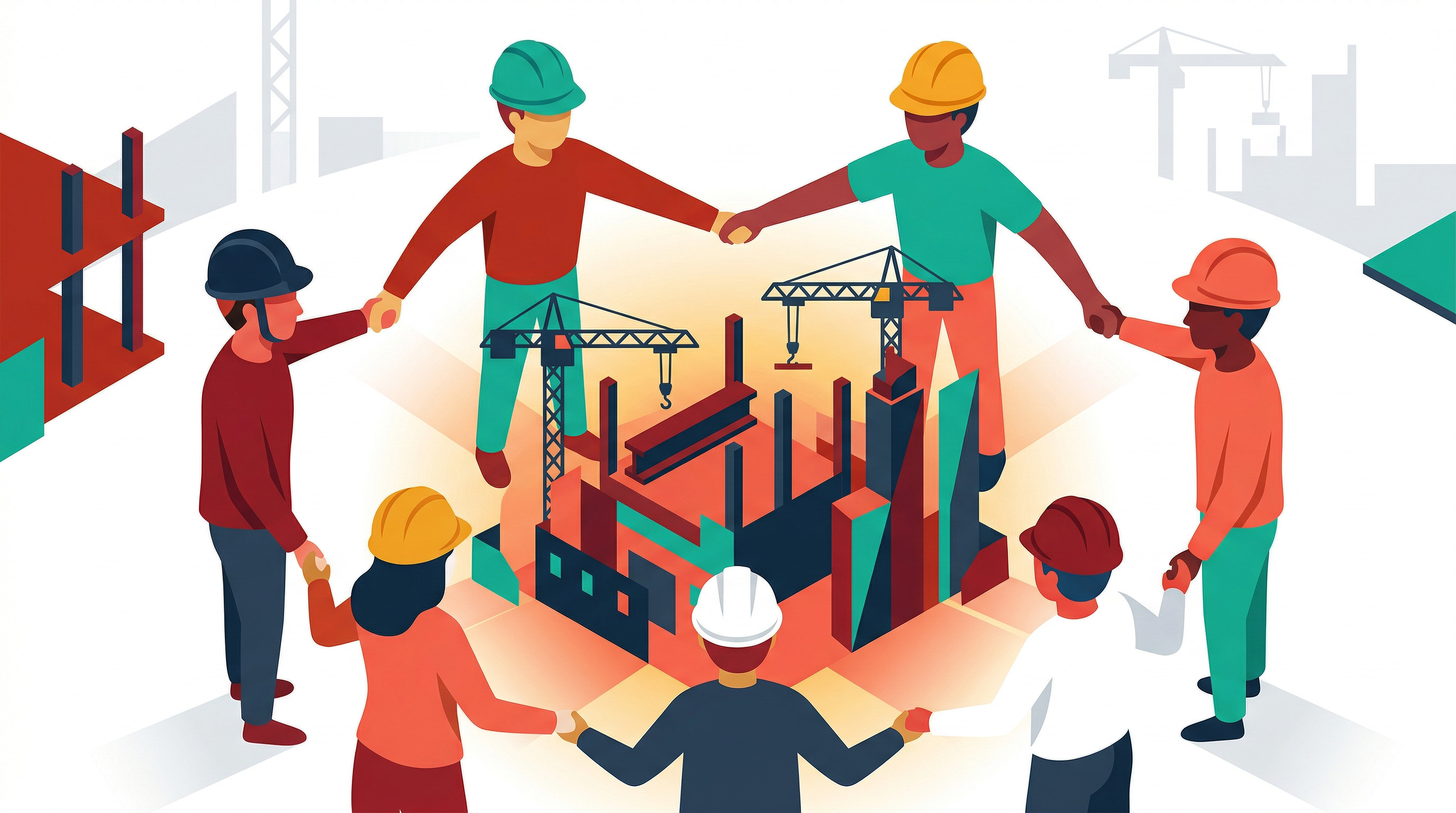
HONOR THE FOUR MUSKETEERS WHO MADE YOU
No leader is built alone. Aliou Sow had four pillars: Birane for administration and finance, Moussa Gaye (historic equipment chief, recently passed) for mechanics, Malal Kane (top of his class at Thiès Polytechnic) and Amadou Diop for engineering, and his cousin Omarel. Not to forget Amadou Agne (Baïdy's elder brother), the first CFO. Omar pays them public tribute — because an empire is named, thanked, and handed down with its craftsmen.
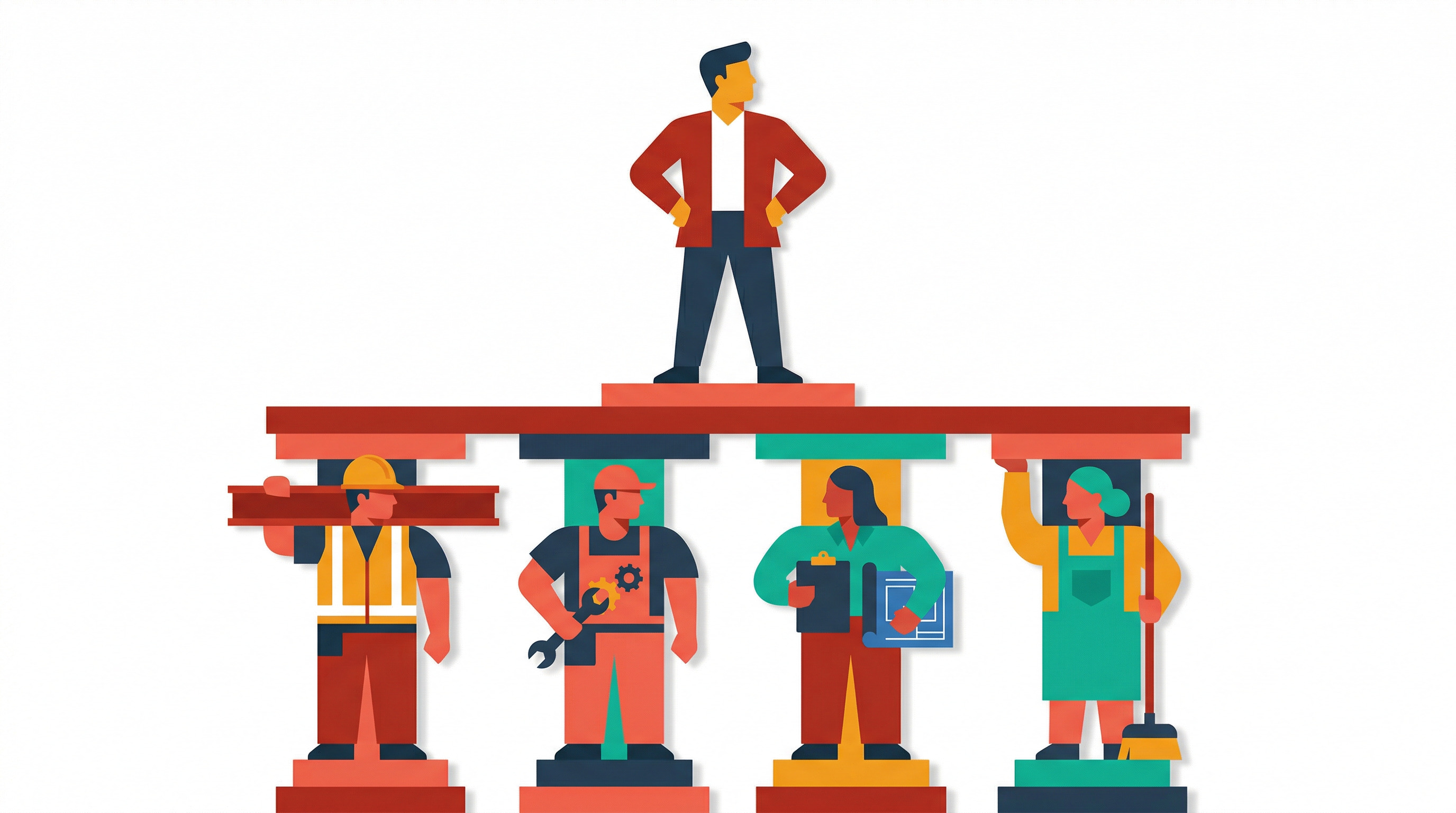
WHEN PEOPLE LEAVE, WE DON'T LET GO
Someone who has given 20 years of their life to CSE and is retiring, "you can't just leave them in the struggle, it's not possible." Housing, retirement bonuses, conversions into consultants — the company puts in place a whole system to hold on to its veterans. That's what explains the natural goodwill with which his father's old collaborators welcomed Omar at the start: "Not a single one fought me." Downward loyalty creates upward loyalty.

THE 3RD GENERATION IS THE MOST DANGEROUS
Omar has an obsession: do not hand over too late. He wants to leave his post in 2029 — in good health, to see the system run without him while he's still alive. Why? Because the 3rd-generation transmission is the hardest of all: Aliou carried CSE as a biological child, Omar as an adopted one — not the same attachment. And the next heir? That one will have seen only established prosperity, never the building. That's where empires die.

FIND YOUR YOUNG AND BECOME THEIR MENTOR
When he discovered what Mustapha ("Maras") was building, Omar sought him out himself: "I want to meet that young man." He became his business angel. Next Monday, Mustapha is bringing him another young person to mentor. That, today, is Omar's real business: identifying young African talents and backing them. "Me, when I'm dead I'd like people to be able to say: ah, it's Omar who made me who I am."

CHAPTER 5
MISSION & LEGACY
“You will be judged on what you did with what you were given.” For Omar, success isn't measured in billions but in lives touched. Five lessons on costly generosity, the meaning of duty, and what you leave behind.
SUCCESS IS NOT THE BANK ACCOUNT
When his father passed, Omar made the shift: "I truly realized that succeeding in life isn't about being the richest entrepreneur or accumulating possessions. It's about impacting the maximum number of lives." That is, being useful. Period. The rest — the revenues, the real estate holdings, the spreadsheets — is scenery. The question to ask is not "how much do I have?" but "how many lives have I served?".

GOD JUDGES BY WHAT YOU DID WITH HIS GIFTS
Omar's theological frame is simple and unforgiving: "What the good Lord gave you, you will be judged on what you did with it." If you received much and simply lived off your possessions selfishly, you will have accounts to settle. If you redistributed, that counts for you. It isn't a soft morality — it's a cosmic accounting system. Every gift is an asset whose use will have to be explained.

OUR TIME ON EARTH IS EXTREMELY FLEETING
Since turning 60, Omar has lived with a constant countdown. The luckiest reach 90 — what percentage is that? Since the dawn of humanity, roughly 100 billion humans have lived. We are 8 billion ants today. Each one thinks of himself as the center of the world — and is the center of nothing. Becoming aware of the ridiculousness of our duration changes everything: you stop pushing to next month what you can do today.

WORK TO LIVE BETTER NOT THE OPPOSITE
It's Omar's motto: "I work to live better, not the other way around." At 60, he adjusted his schedule — office in the morning, nap in the afternoon, meetings at home in the evening. Racehorses (with his own colors at France Galop), the Bijagos islands where he bought land for a Robinson Crusoe hut, the book on his 35 years of art collecting — none of it is luxury, it's the very point of the work.

THE DAY IS WON IN THE MORNING
Since November 2023, Omar has a non-negotiable ritual: mosque at 5:30 a.m. for Fajr prayer, then tennis at 7:30 a.m., then office at 9. "What you haven't settled by 3 p.m., you won't settle." The afternoon is for napping, then informal meetings at home. Bed by midnight at the latest. It isn't a young hustler's routine — it's the discipline of a man who knows the body has stopped being infinite.
CHAPTER 6
UNEASE & HUMANITY
The closing pages reveal the man behind the leader. An Omar who meditates on death, who inherits his father's anxiety as a resource, and who compartmentalizes to keep from losing himself.
SAY IT WHILE HE IS ALIVE, NOT AFTER
The only time Omar said "I love you" to his father, it landed like a punch in the conversation — Aliou froze, then simply answered: "Omar, you my first child." That was his way of saying I love you. Because no one had ever said it to him. Omar carries that regret: not having pushed his father further, not having been closer. Lesson: whatever you do for someone gone, you will have regrets. Do it while they are alive.

EXPECTATIONS ARE THE POISON OF RELATIONSHIPS
Omar's biggest lesson from the last 12 months: "You must never expect too much from others." If you receive something, great. But hold no expectations, or you'll be disappointed. He was also disgusted by the COVID fund: the CSE group had given 300 million CFA by check to the Treasury, scraping the bottom of the barrel, to be "the responsible CSR company." Then he learned that people had helped themselves to that fund. "It's appalling." The most wounding social experience is always betrayal of trust — hence the protective rule: no expectations.

HEALTH IS THE LAST LUXURY
Omar lives with deep faith — and so with a deep fear of death, which he owns. But he has found serenity since he started going to the mosque (18 months). His rule of life: "If I had to pick my problems, I'd rather have money problems than health problems." That's why he never complains about cash-flow problems. "Today, health is true wealth." The final lesson of a man who has handled everything and knows what cannot be bought.
EPILOGUE
This interview with Omar Sow is a rare object. You meet a man who inherited an empire and, instead of celebrating it, speaks of it as a mission. A man who admits, on camera and without reserve: “I work a job I don't love.” And yet does it with total rigor since September 28, 1987.
Omar is not the self-made man cliché who invents his own path. He is the eldest son who, unlike his brother Yerim who left to build his own empire, chose to carry his father's. It's a different kind of heroism: not rupture, but continuity. Not personal ambition, but the duty of transmission.
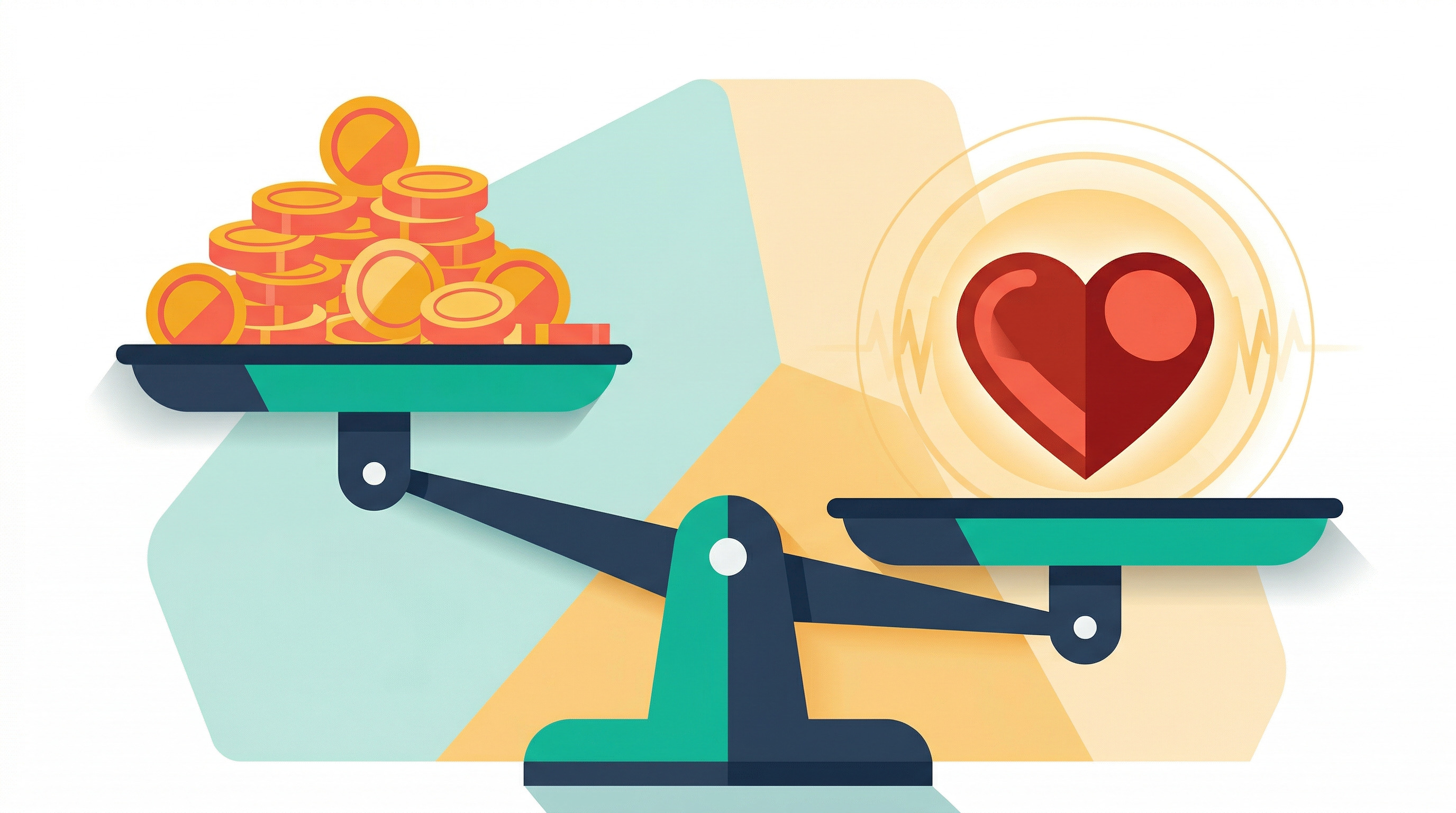
The final message sits in a single tension: you don't need to love what you do — you have to honor what you do. Duty can become a form of freedom, on the condition you choose it consciously. Legacy is not a luxury, it's a responsibility. And success isn't measured in billions, but in lives touched, hands extended, codes passed on.
Source: Afrofeeling — Interview with Omar Sow, President of CSE, son of Aliou Sow. YouTube, May 22, 2025.
What more?
Six bonus lessons to close the loop...
TRUE WEALTH IS QUIET
Omar has collected art for 35 years but never shows his collection. His brother Yerim, a billionaire, "keeps a low profile." That's Sow family DNA: those who have truly succeeded don't need to prove it. Those who prove it haven't succeeded. Sobriety isn't a posture — it's an absence of need for validation. Noise always betrays the one who doubts.

YOU DON'T LEAVE AN ESTATE. YOU LEAVE A CODE
Many confuse inheritance with liquidity. You can leave money, buildings, businesses — that isn't inheriting, that's transferring assets. What you truly inherit is a way of being in the world: an ethic, a word, a gaze. Aliou Sow didn't leave Omar an empire. He left him a code — "your word is your signature," "anxiety is a resource," "always set the example." And that code, Omar now passes on to his own children — knowing that the 3rd generation is always the hardest.

THERE ARE NO FRIENDS IN POWER
Omar personally knows Macky Sall, IBK, Roch Kaboré, Mohamed Bazoum — all heads of state before and after their rise. But he observes one constant: the moment they reach power, something changes. "My most recent experience proves to me that they have no friends." Power doesn't kill affection — it transforms it into protocol, into interests, into permanent calculation. The man remains, but the relationship doesn't survive.
SELFISH ALTRUISM
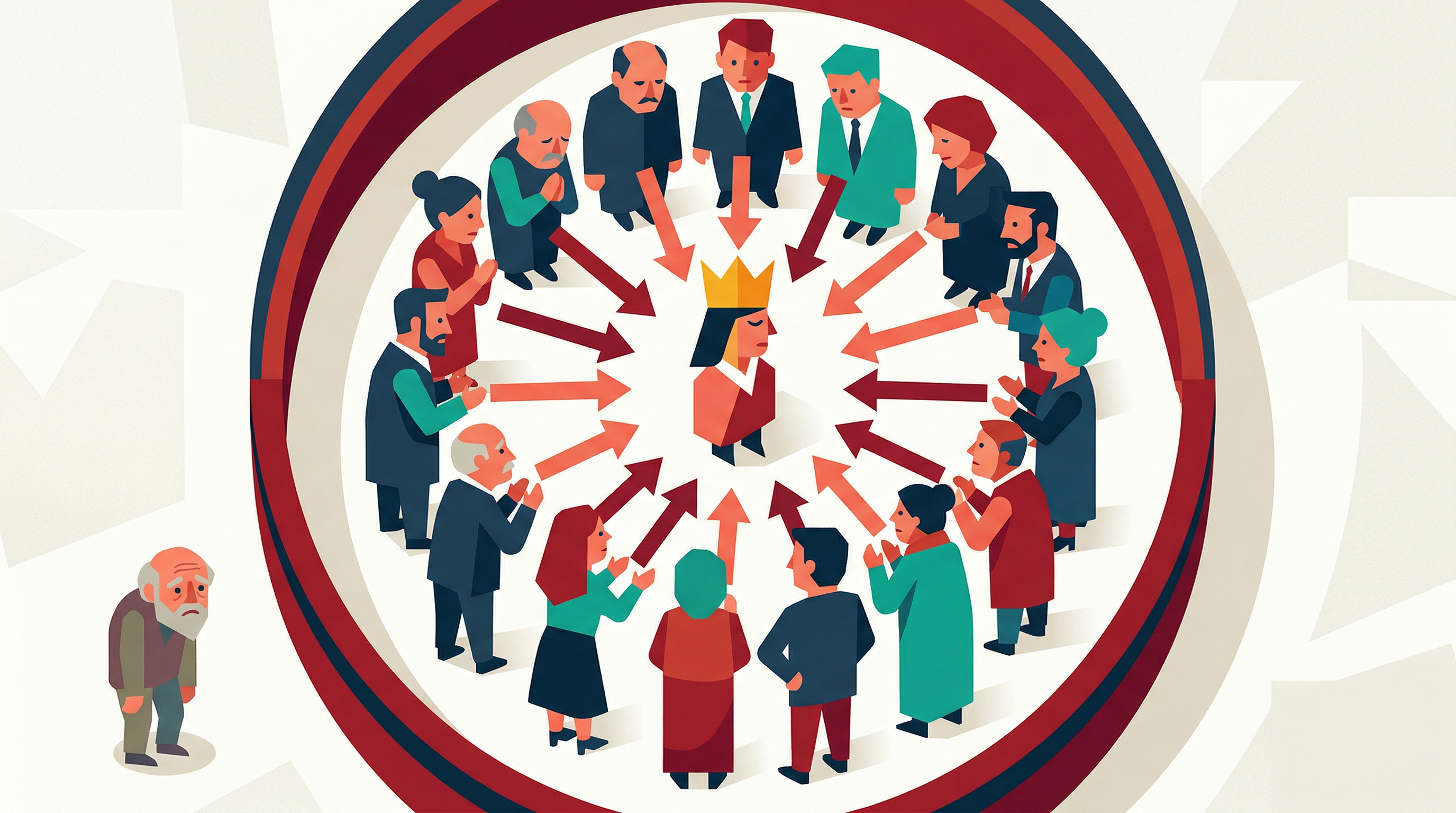
Omar discovers — through the Sufis — that giving to others is not a sacrifice. It is a form of noble selfishness: you do yourself good first, by relieving the suffering around you. "Taking care of others, you take care of yourself." This reframe changes everything: generosity doesn't need to be disinterested to be real. Personal well-being and the common good are the same thing — just seen from different angles.

9 MONTHS WITHOUT INCOME
When Aliou Sow founded CSE in February 1970, he had a vision but not a single client. For 9 months, he drafted quotes, sent offers, and nothing landed. It was his wife — an assistant at IDEP — who "kept the pot boiling" through the desert crossing. The foundation of the empire isn't a brilliant plan: it is a season of emptiness sustained by the loyalty of a partner. Companies that last are often born in silent humiliation, not in glory.

UNPLUG OR THE JOB EATS YOU
Omar has a non-negotiable rule: the moment he walks out of the office, he doesn't talk about it anymore. Not to his wife, not to his children, not to his friends. He criticizes entrepreneurs who drag their laptop home and turn every meal into a meeting. "I leave the office, I stop talking about work. And I think about work again when I go back to work." It's the only way to keep a family, a mind, a life. The job is jealous — if you never leave it, it will never let you go.

 Library